Summary of the project
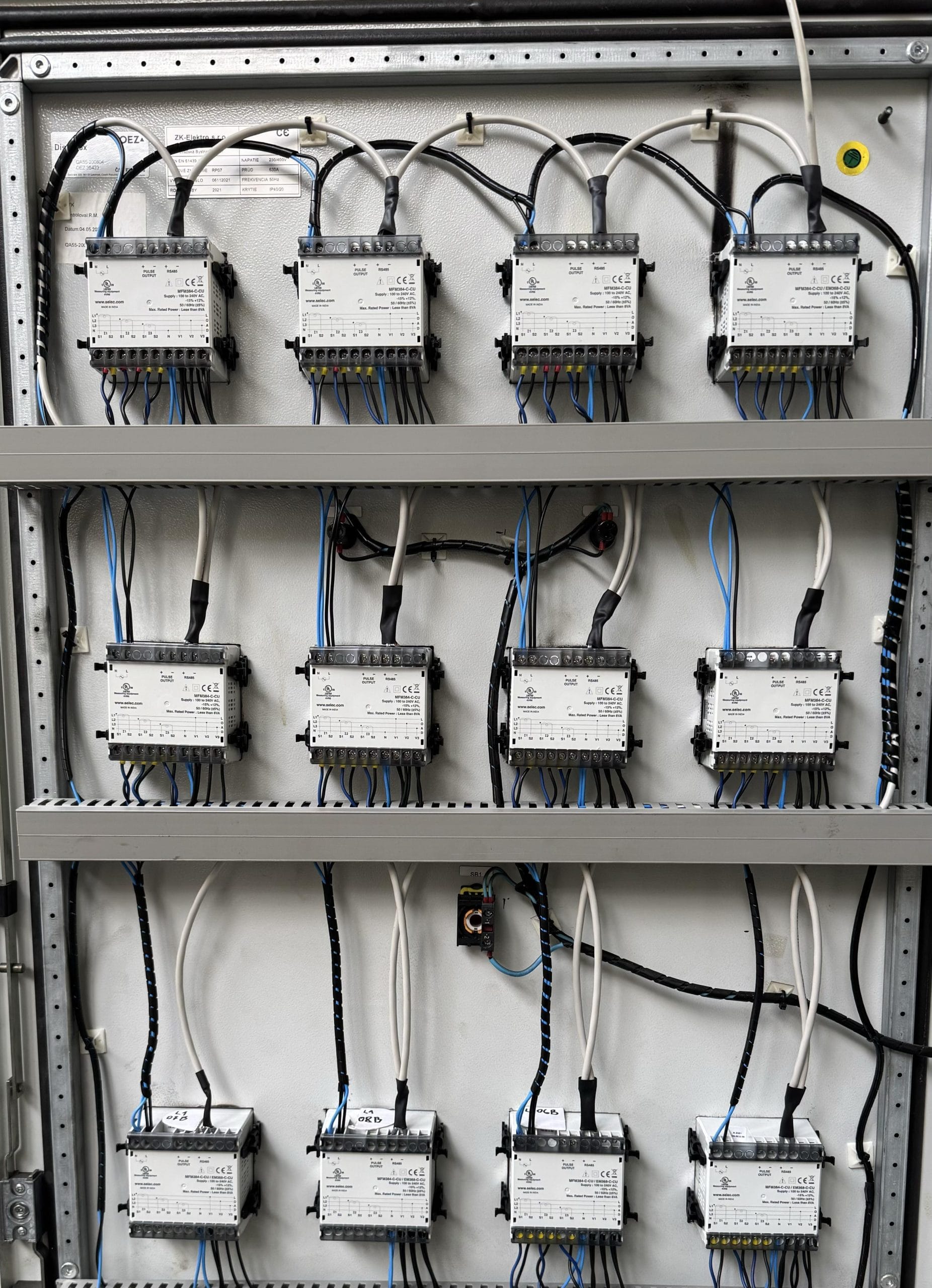
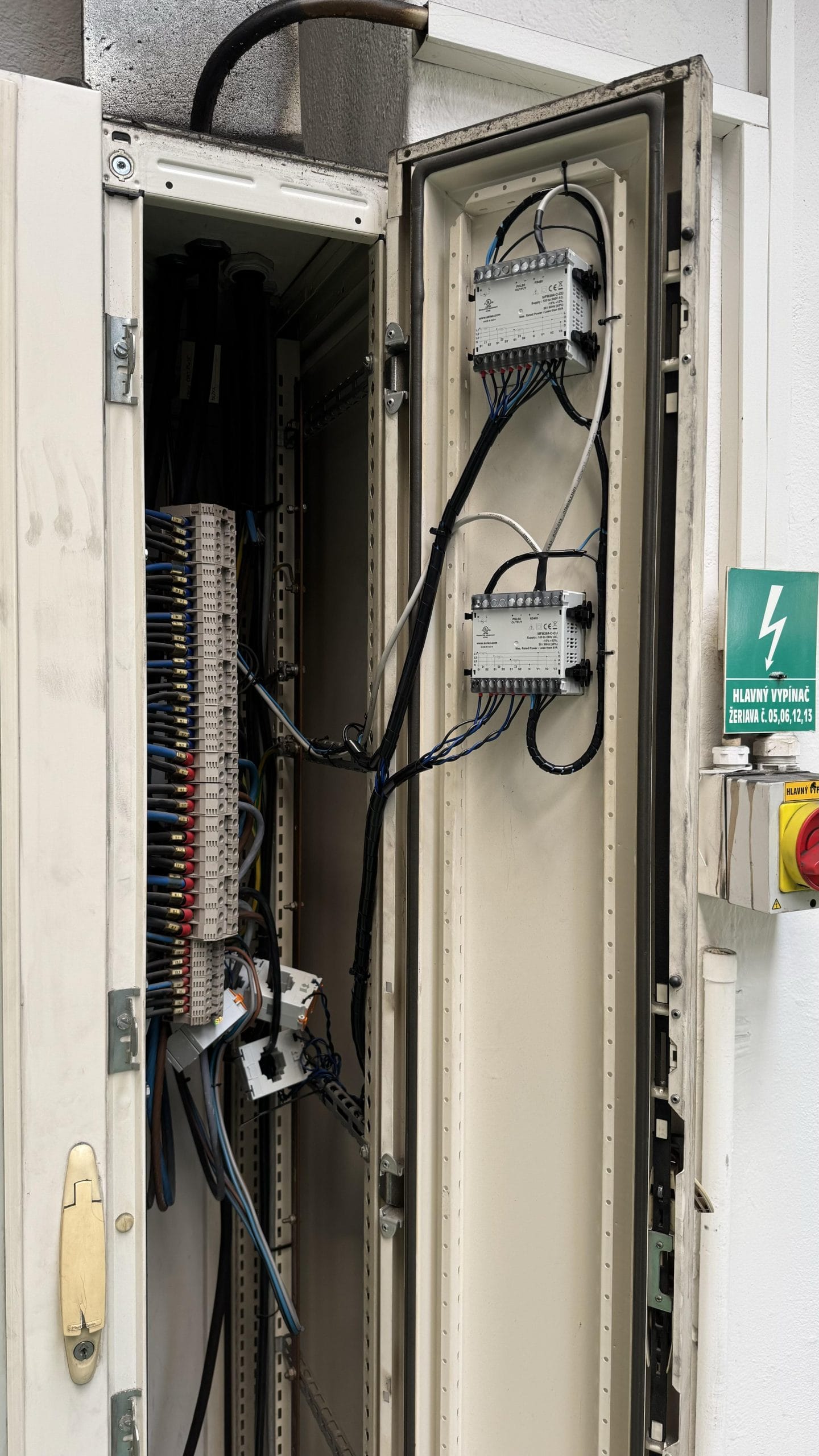
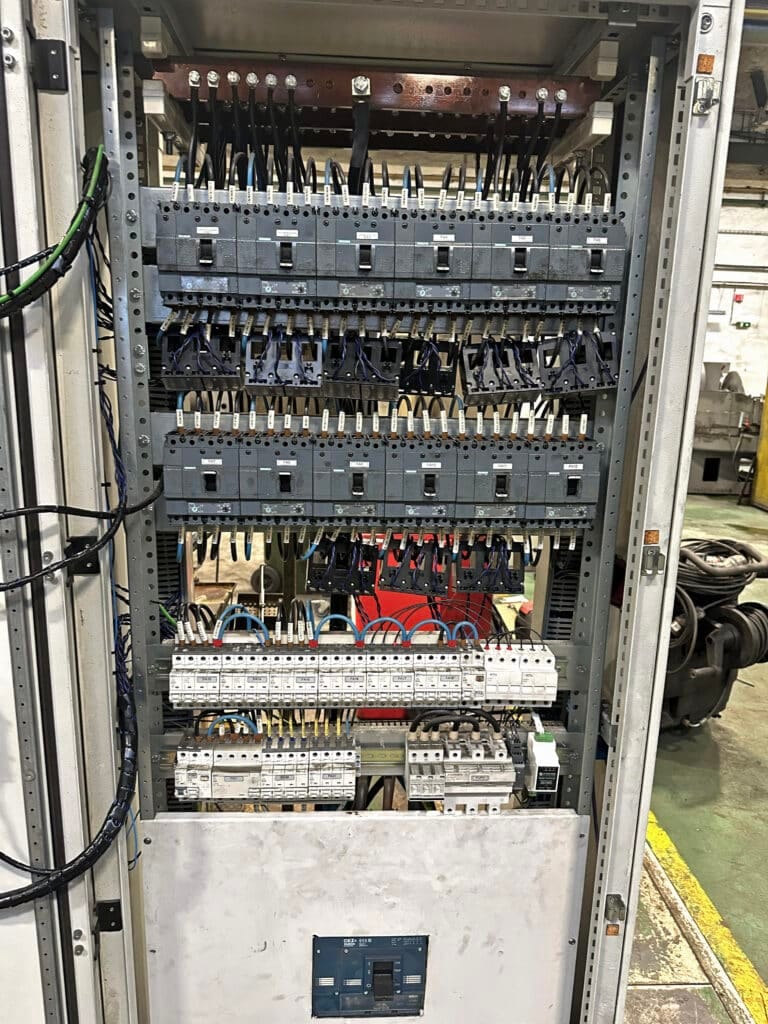
In the second phase of the project, we built on the already implemented infrastructure of secondary electricity metering in a machine-building factory focused on the production of high-precision products.
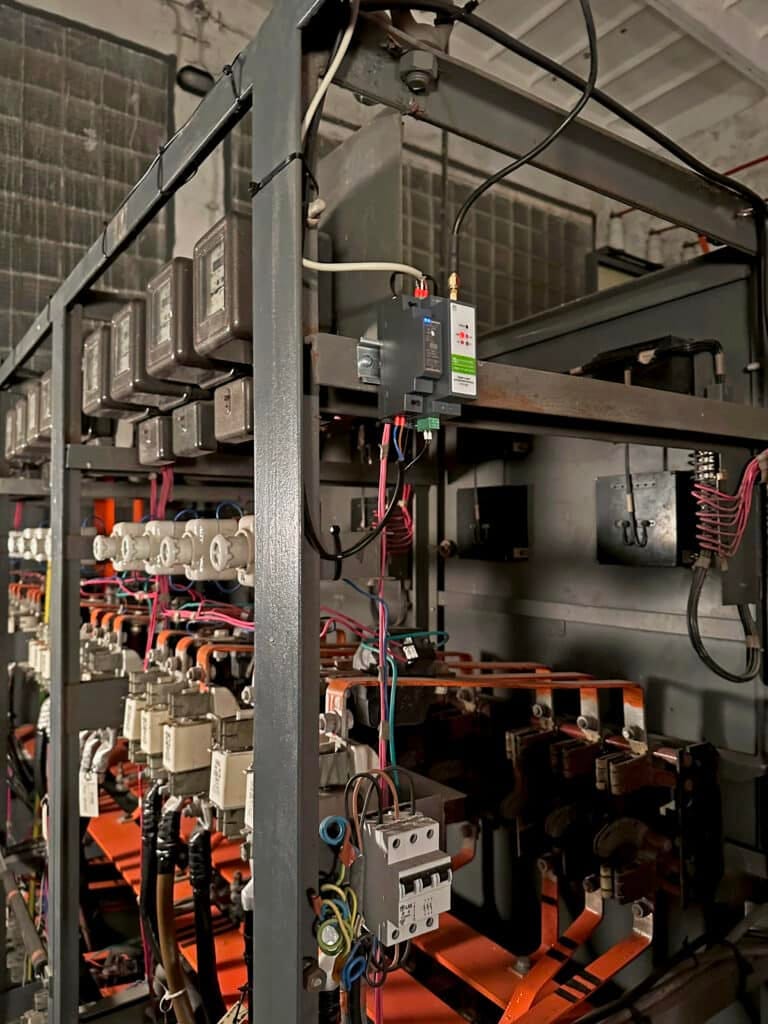
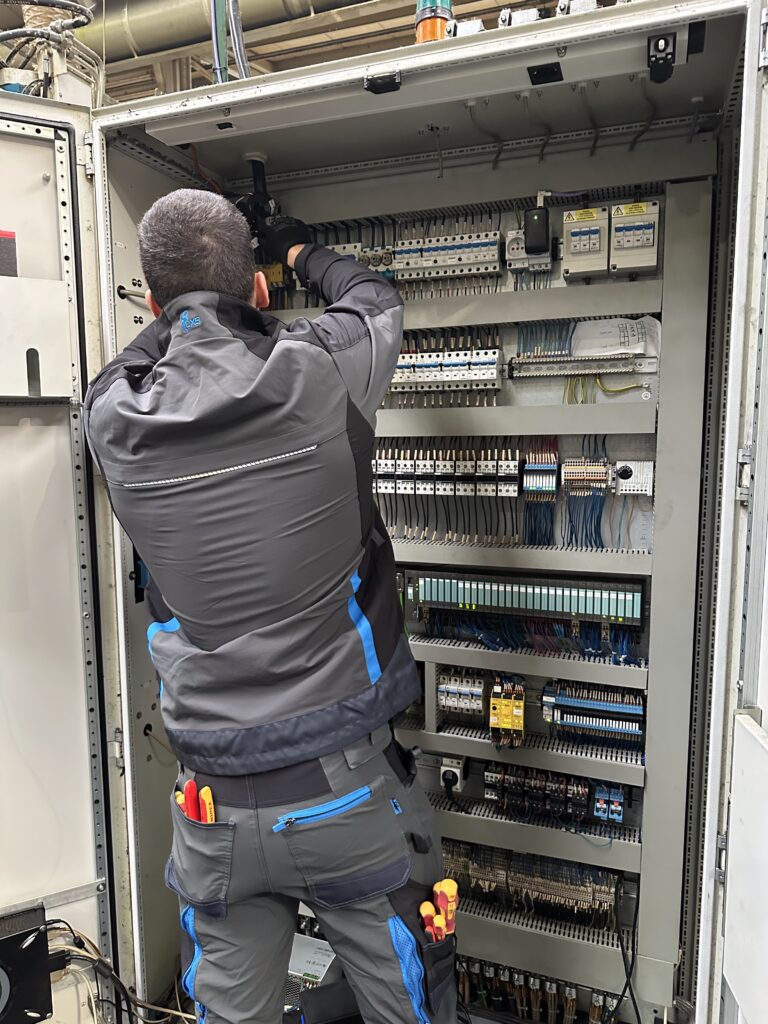
The extension was aimed at adding the measurement of additional production technologies and electrical equipment to the existing data collection system. The new metering points were integrated into the original communication architecture so that the scope of consumption monitoring could be extended without changing the basic concept of the solution.
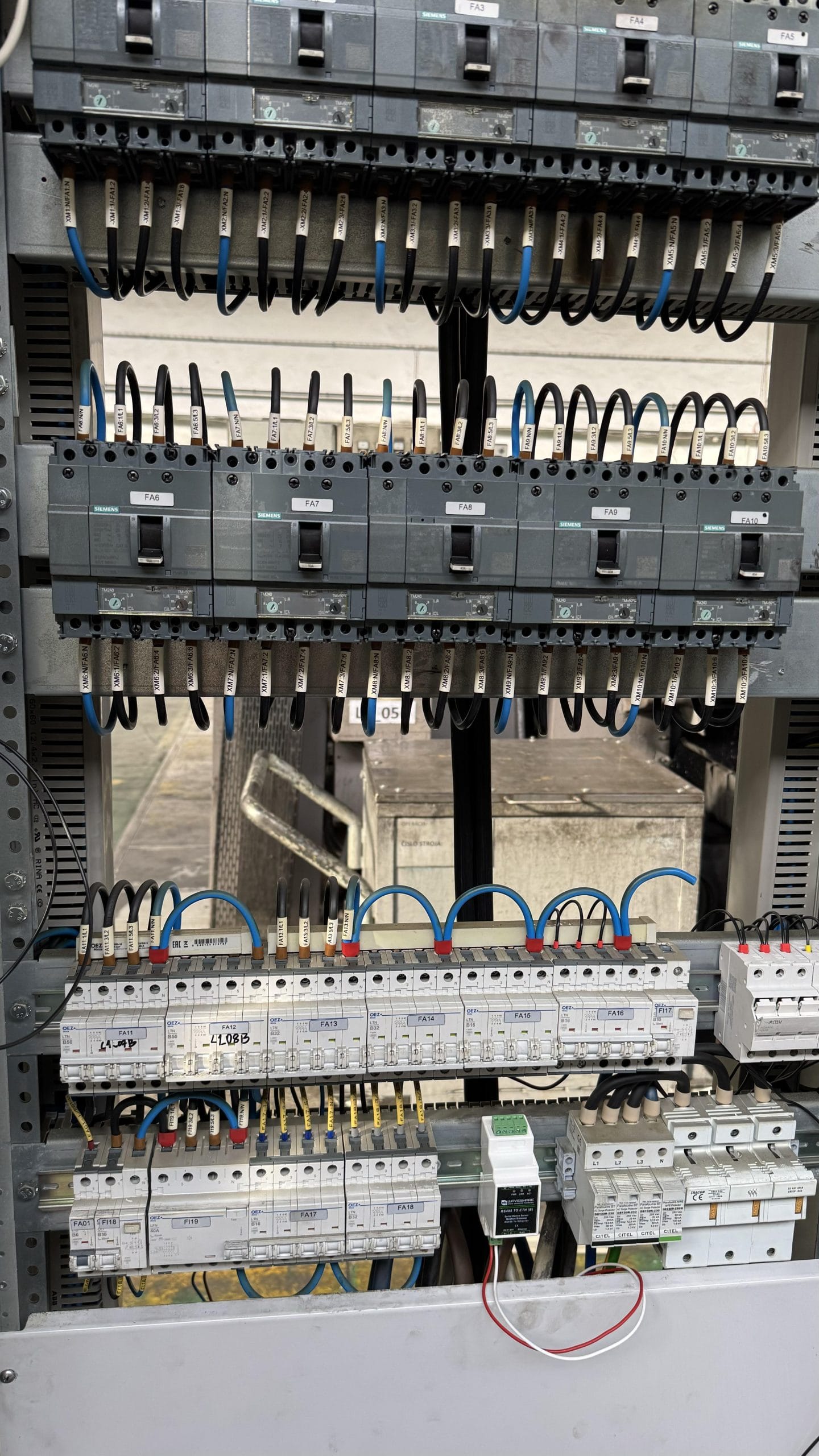
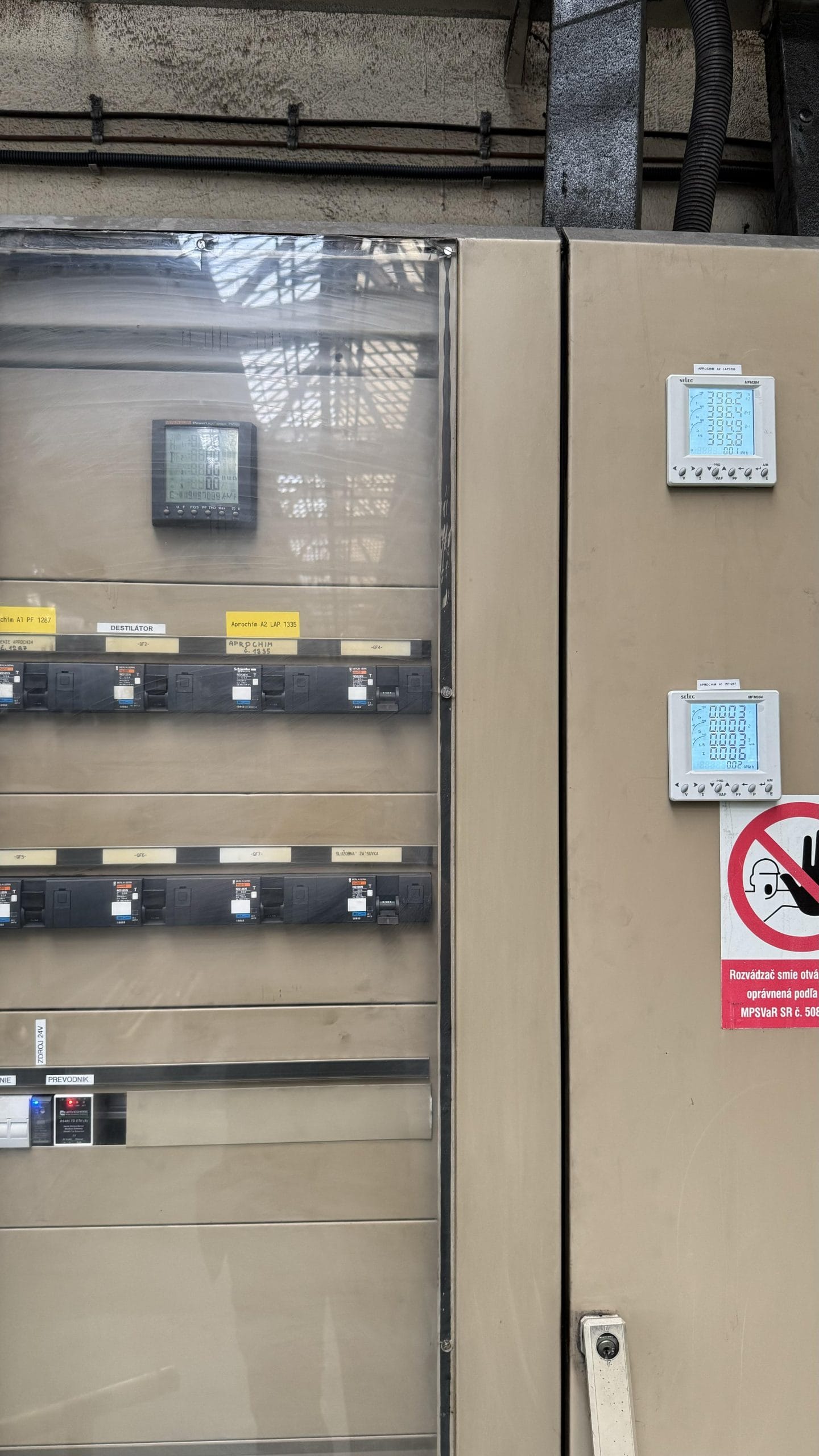
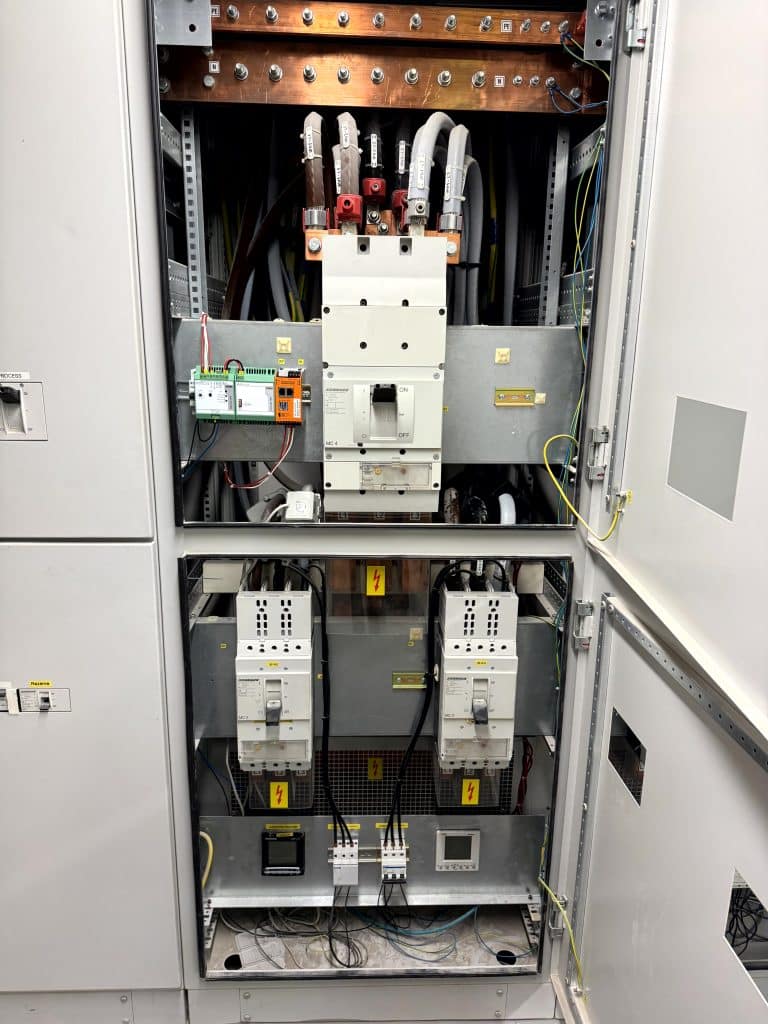
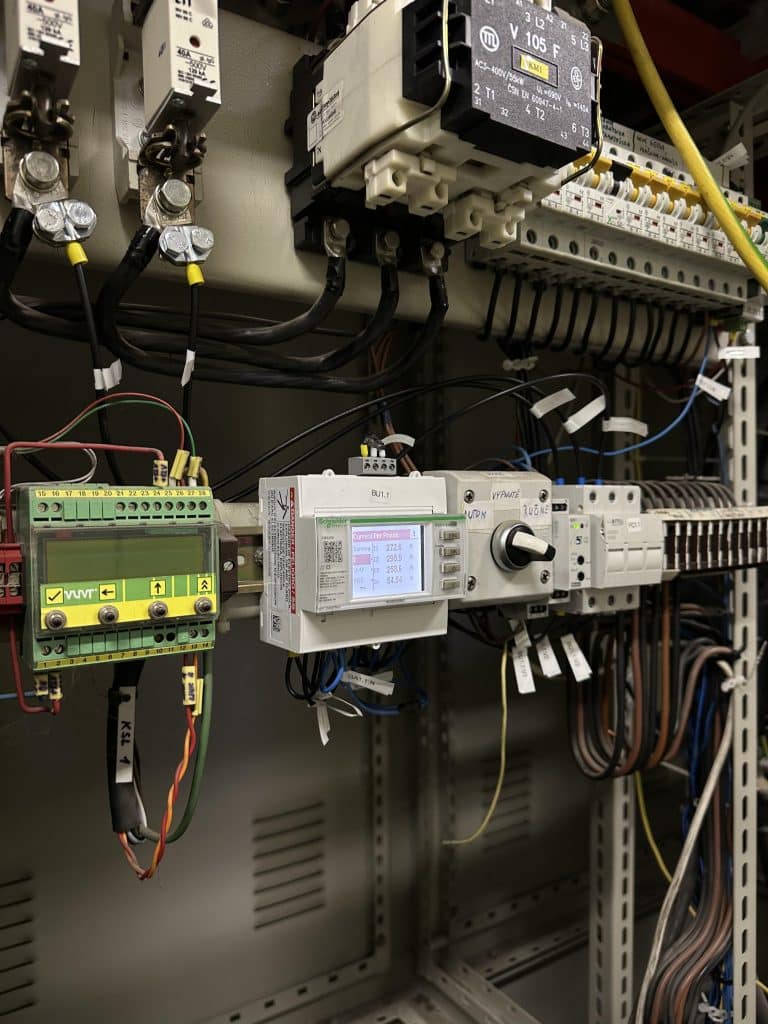
The added metering equipment was integrated into the existing sub-metering infrastructure with an emphasis on maintaining a unified communication method, centralized data collection and separate network operation. The solution thus extended the technical overview of electricity consumption to other parts of the production and enabled a more detailed evaluation of the operation of individual technological units.
The second phase of the project was a natural extension of the original system to increase the granularity of the measurements, to fill in missing measured sections and to create a more accurate data basis for monitoring the energy intensity of the plant.
Number of measured points
Number of installed devices
Implementation
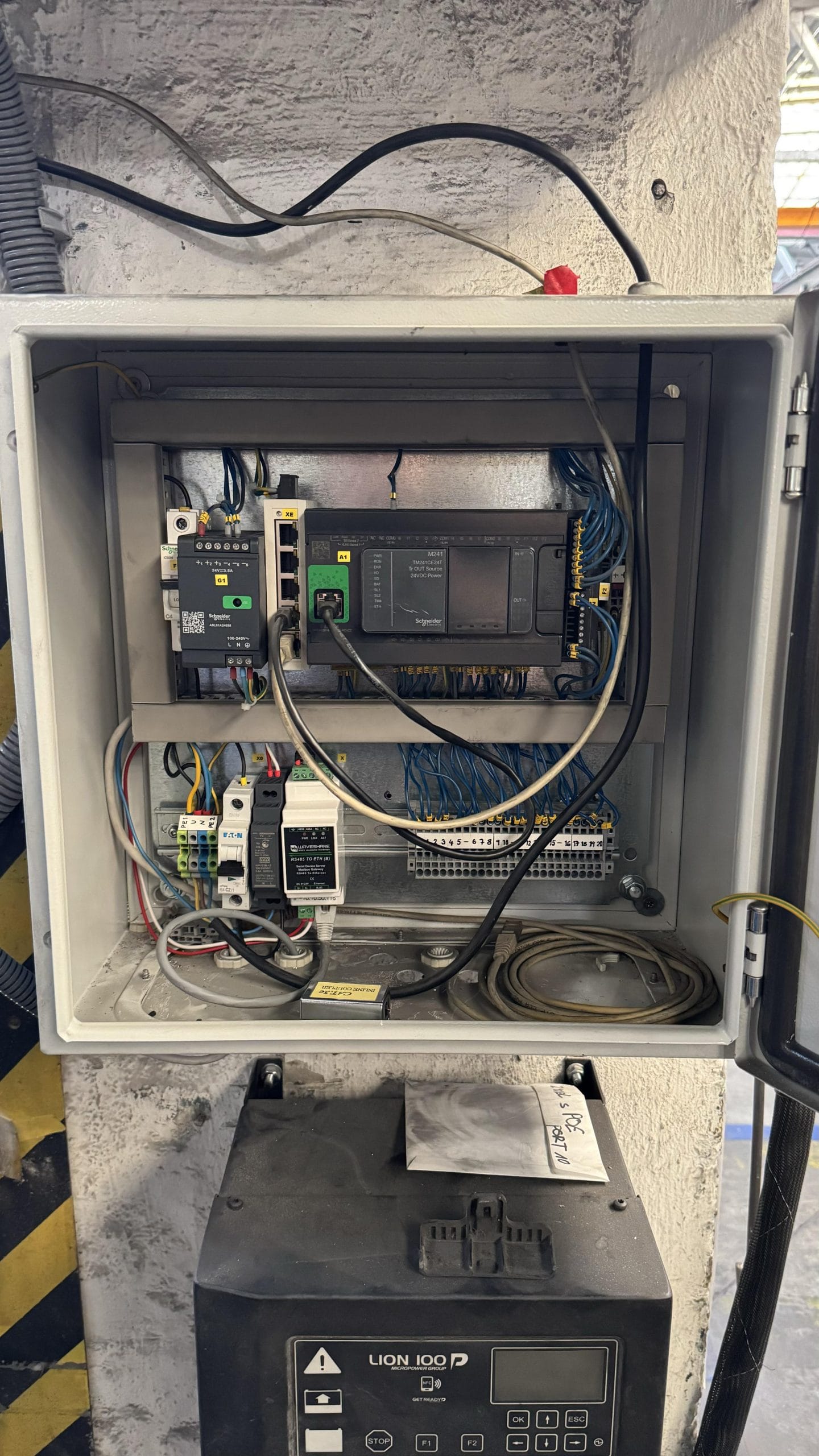
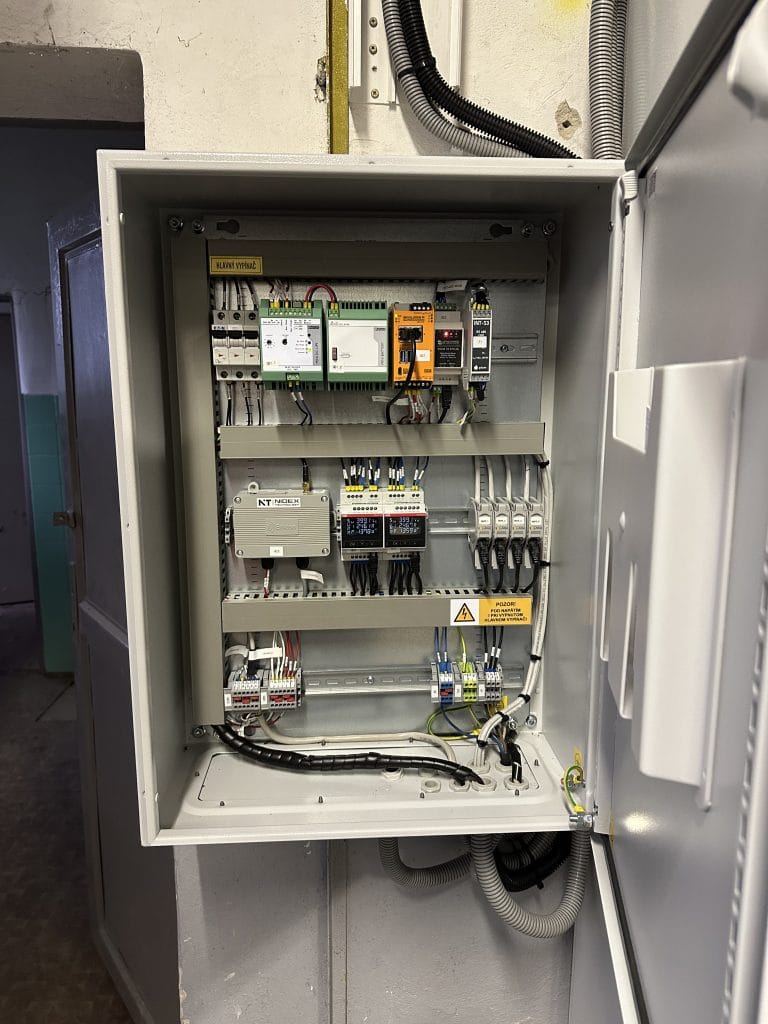
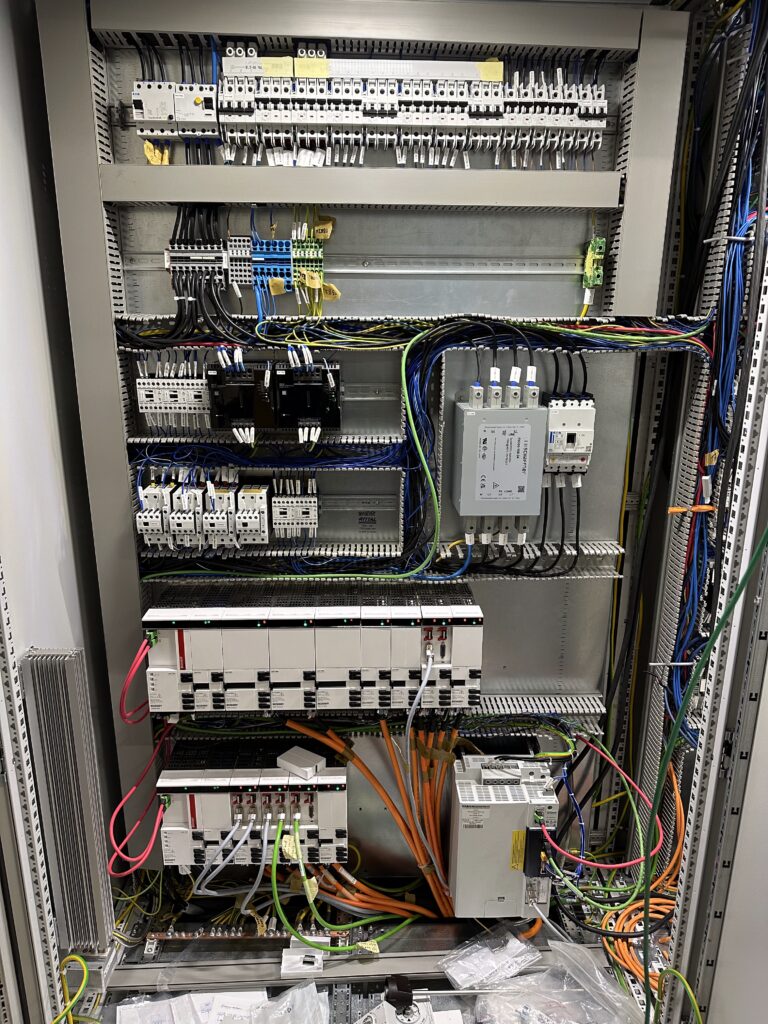
In the implementation of the second phase, we built on an existing industrial edge solution based on the Revolution Pi device, which provides data collection and aggregation from measurement devices. The new measurement devices were integrated into the already built communication infrastructure and connected to the existing data acquisition system.
Communication was handled within a separate VLAN with an internet connection, which allows for separate network traffic and remote device management. The original concept of communication via measuring devices, Modbus RTU/TCP converters and a central connection to the network infrastructure was maintained during the integration.
The Revolution Pi was operated with a battery backed UPS, reducing the risk of interrupted data collection in the event of a power failure. This ensured greater measurement continuity and stability of the data stream from the individual measurement sites.
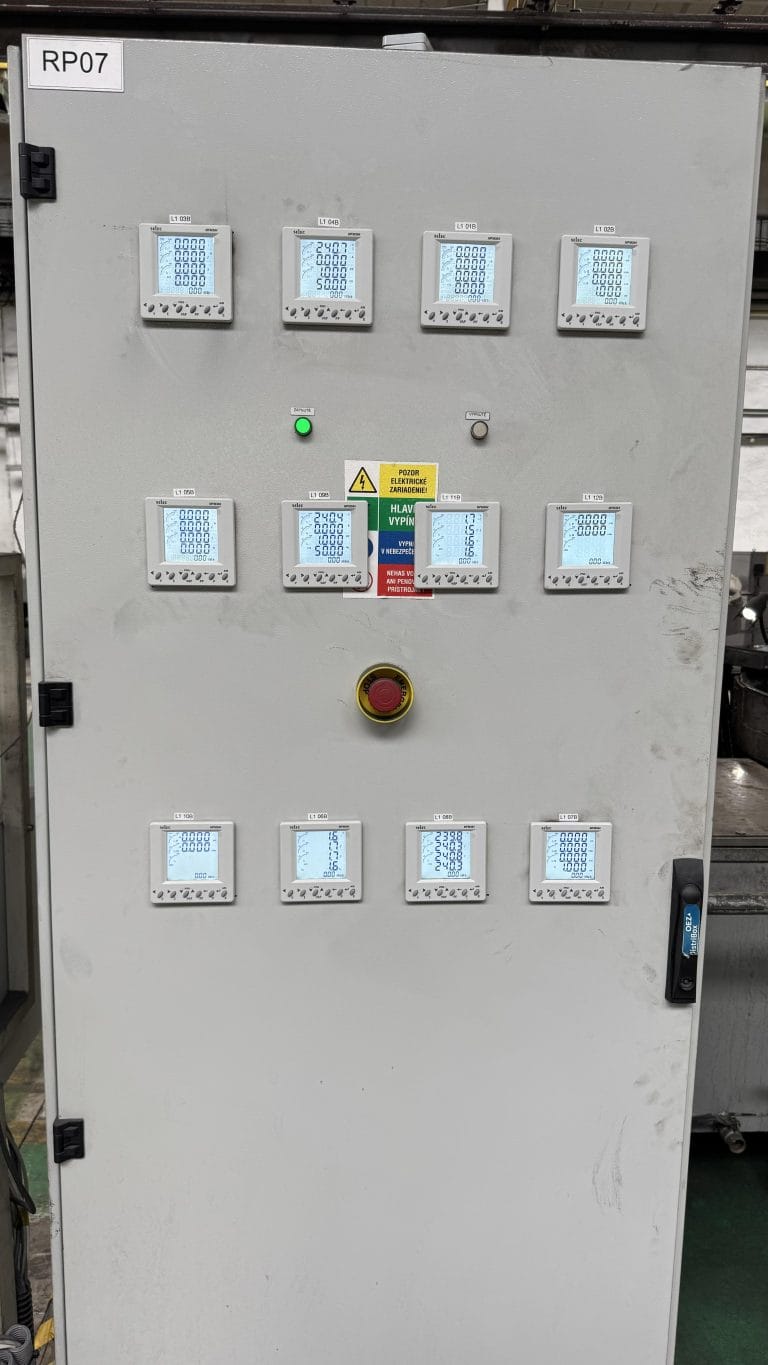
The added measurement points were subsequently integrated into the visualization part of the solution, which enables real-time display of measured data, evaluation of consumption and signalling of selected operating conditions. Recognition of the status of individual machines also remained part of the solution, making it possible to monitor whether the equipment is in production, idle or idle.

Results
As part of the second phase, 54 metering points and 84 electrical devices were integrated into the existing sub-metering system. The extension added the measurement of other parts of the production and increased the detail of data collection from process equipment.
The new measurement points were integrated into the original communication and data infrastructure, thus maintaining a unified system architecture. Data from the added devices is collected centrally and builds on the existing measurement, communication and visualisation.
The second phase results in an enhanced secondary electricity metering system that provides a more detailed technical overview of consumption at the level of individual plants and production units. This provided the customer with a more accurate data basis for consumption evaluation, identification of energy consumption and technical analysis of operations.
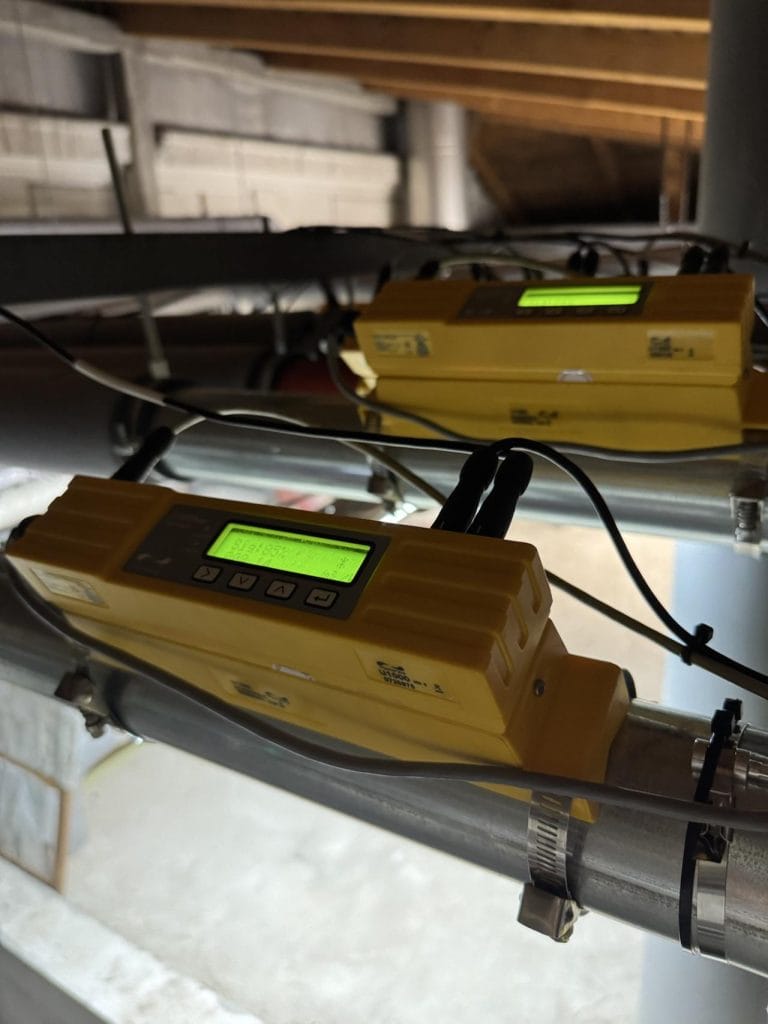
This phase will be followed by the next phase of the project, in which it is planned to extend the system to include the measurement of other media and operating variables. The expansion will include the addition of water and gas metering and ambient temperature and humidity monitoring, moving the system from the level of secondary electricity metering to more comprehensive plant-wide operational data collection.