Summary of the project
The project focused on the implementation of intelligent energy metering in two buildings belonging to the Institute of Military Healthcare, which have the character of military medical facilities with specific operational and technical requirements.
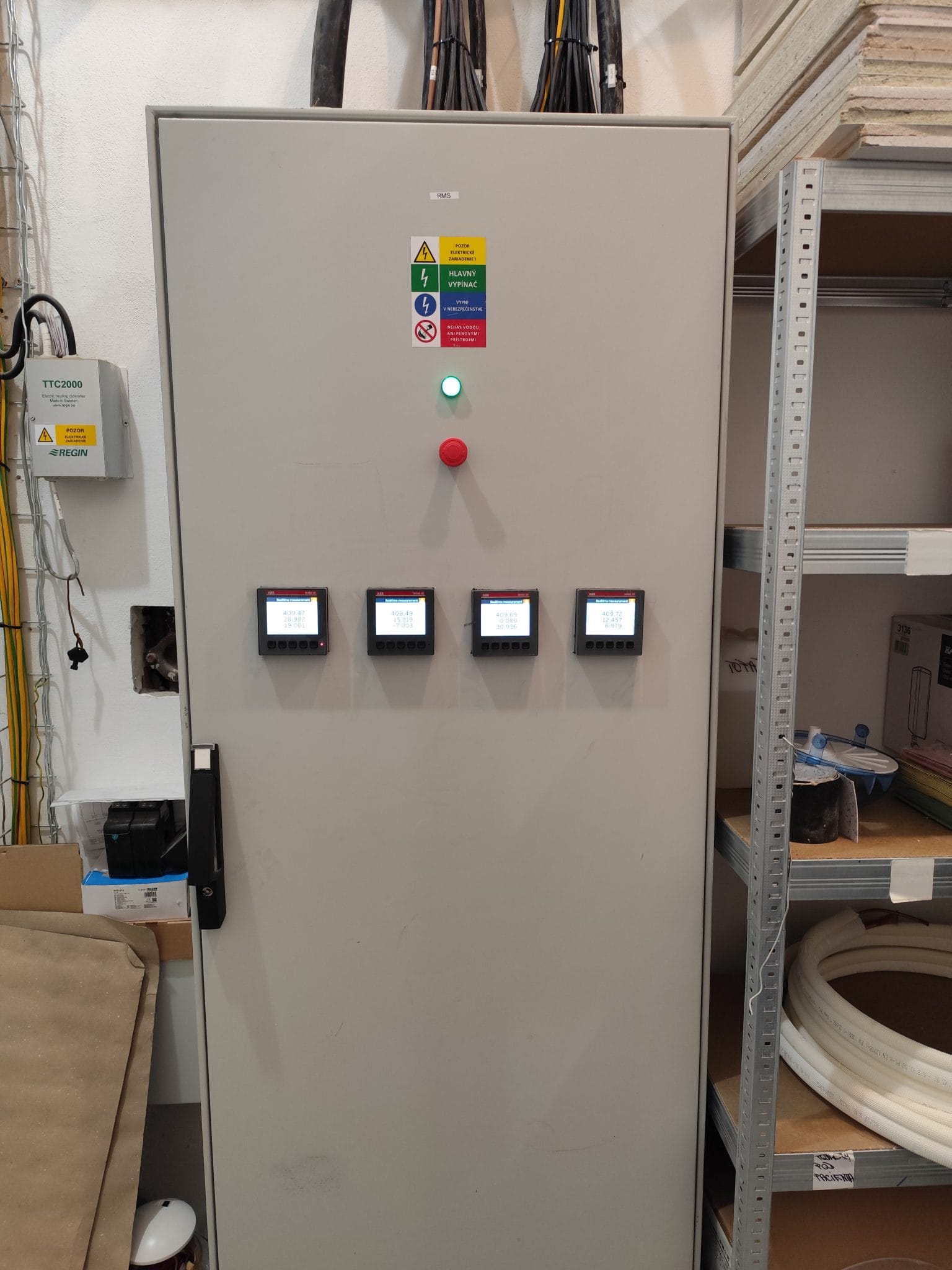
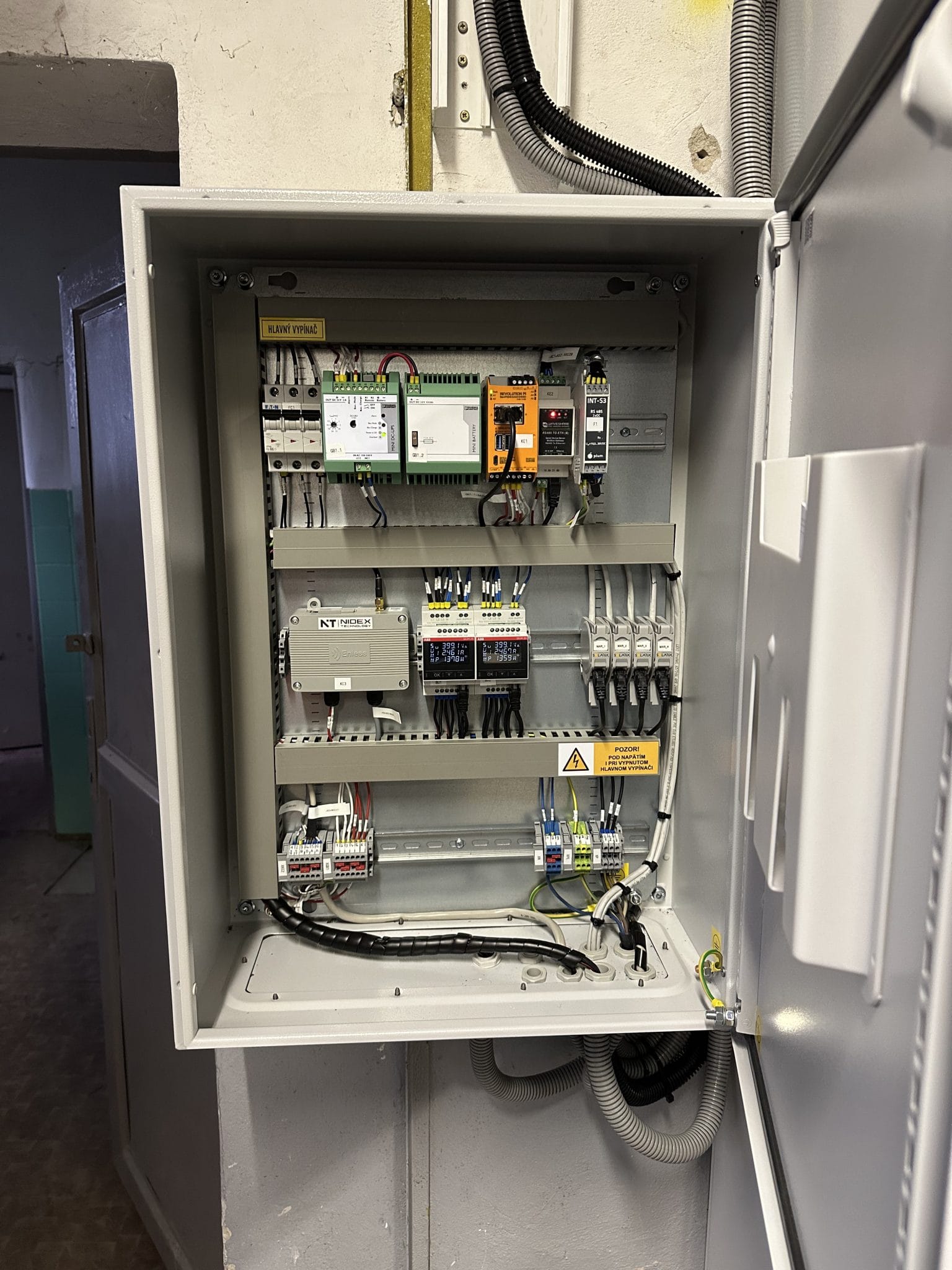
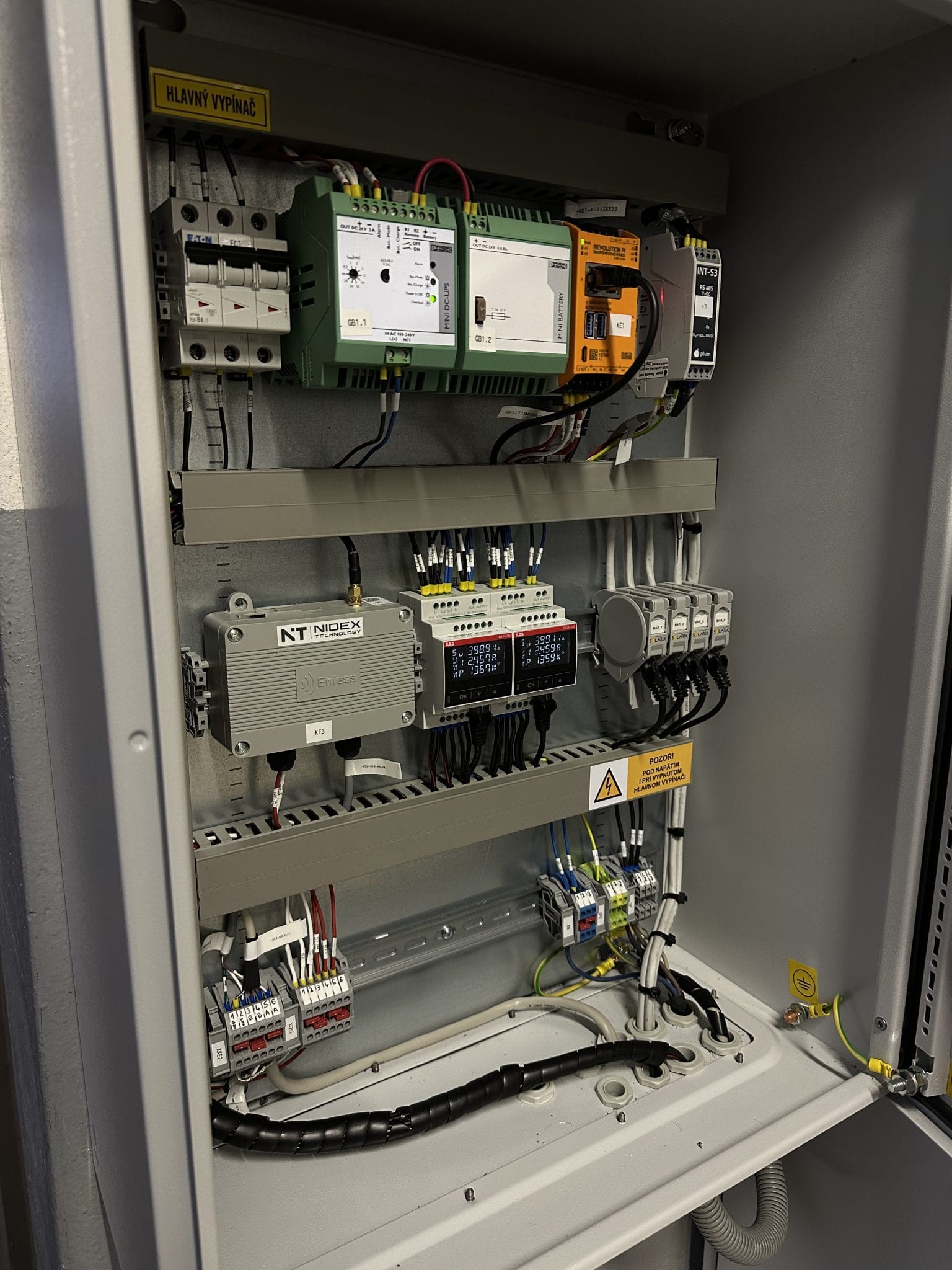
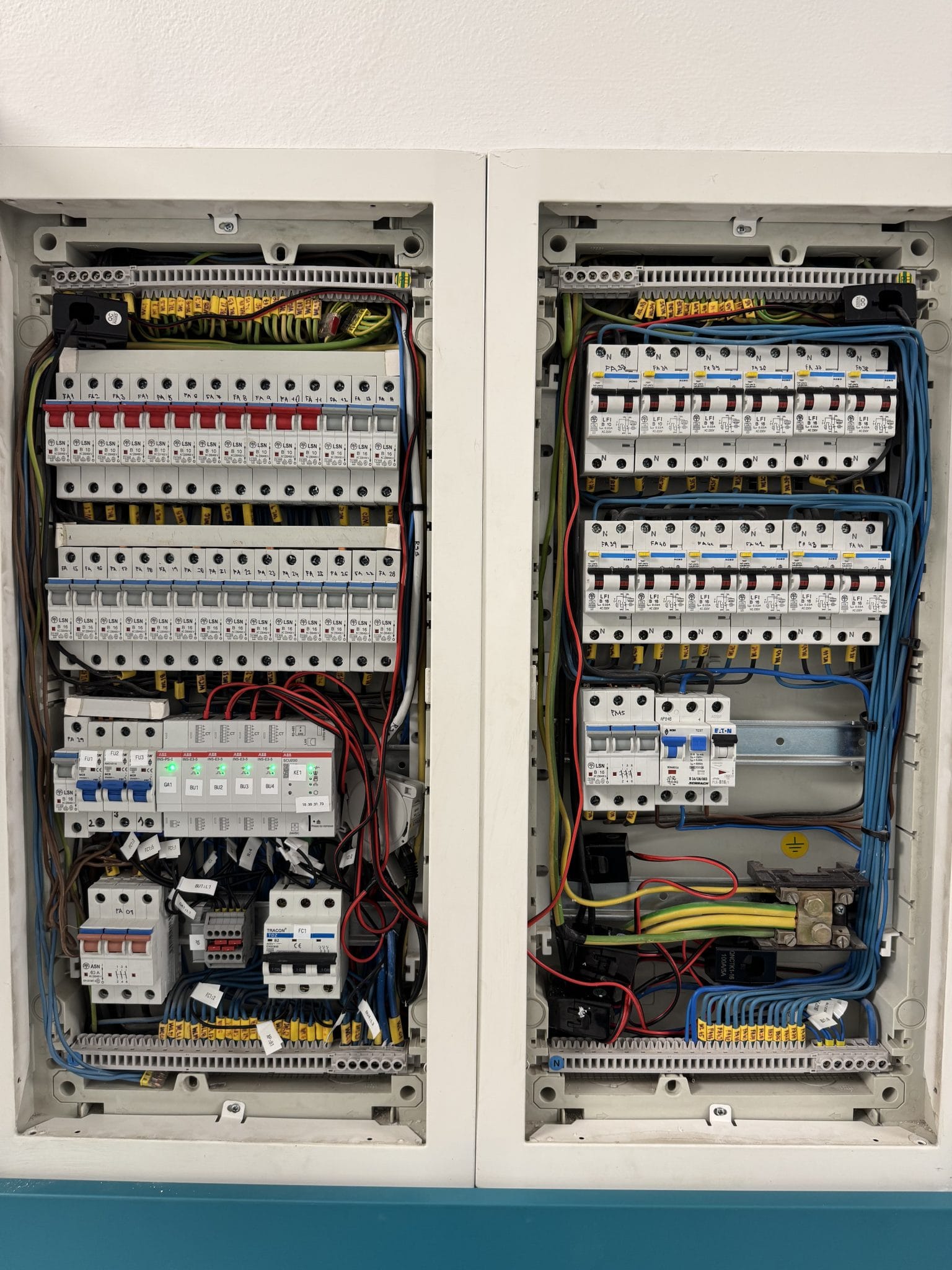
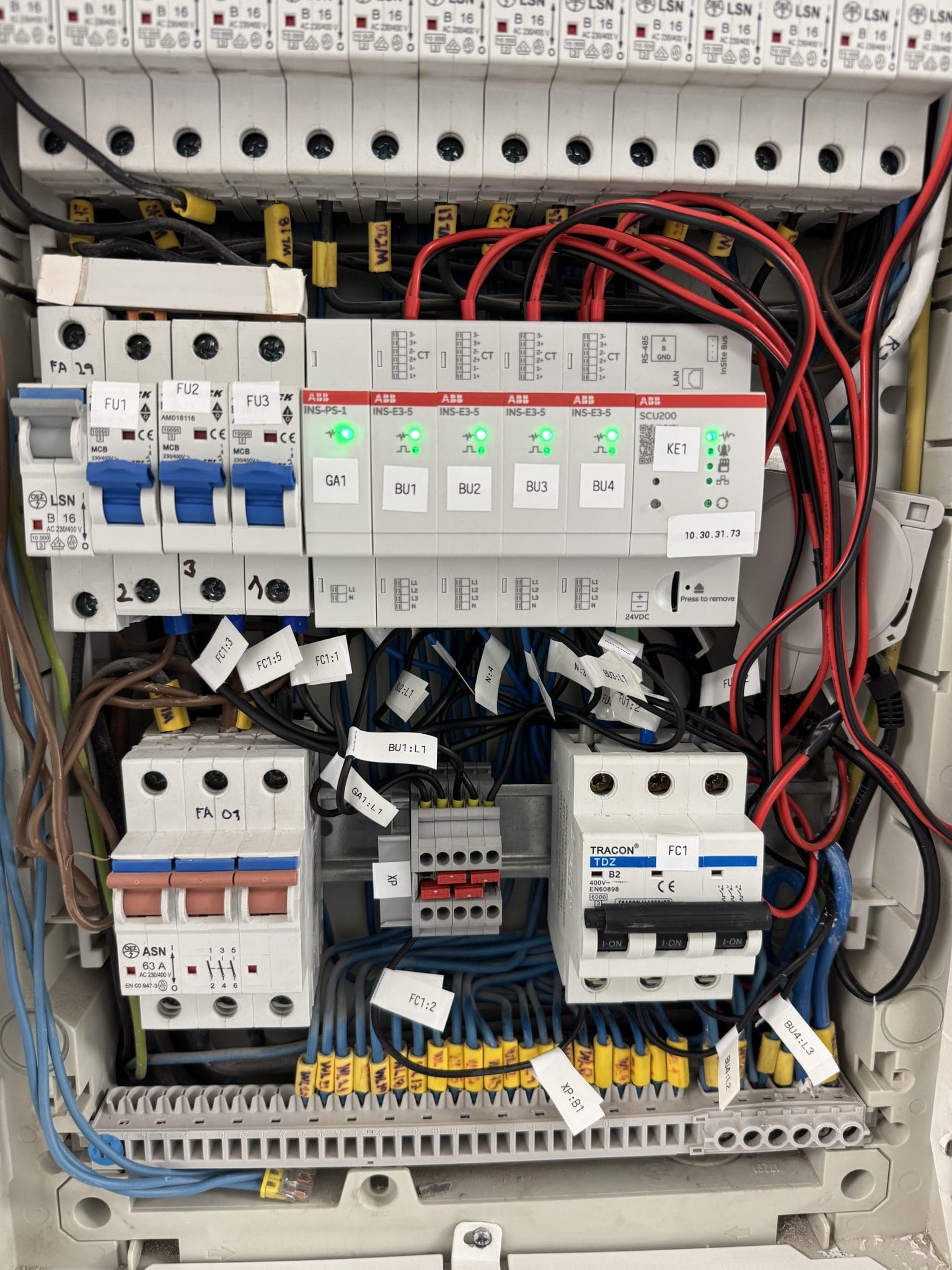
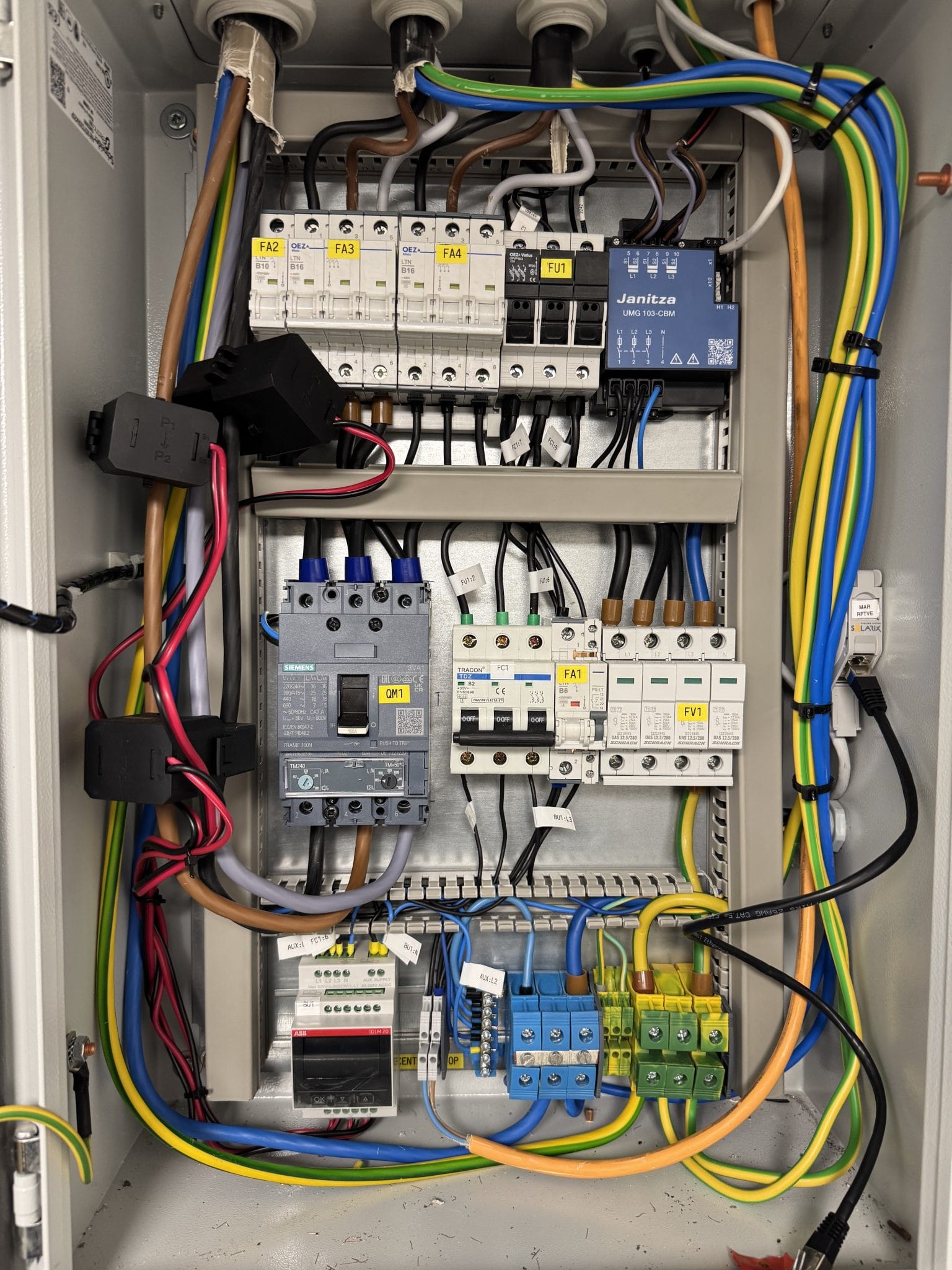
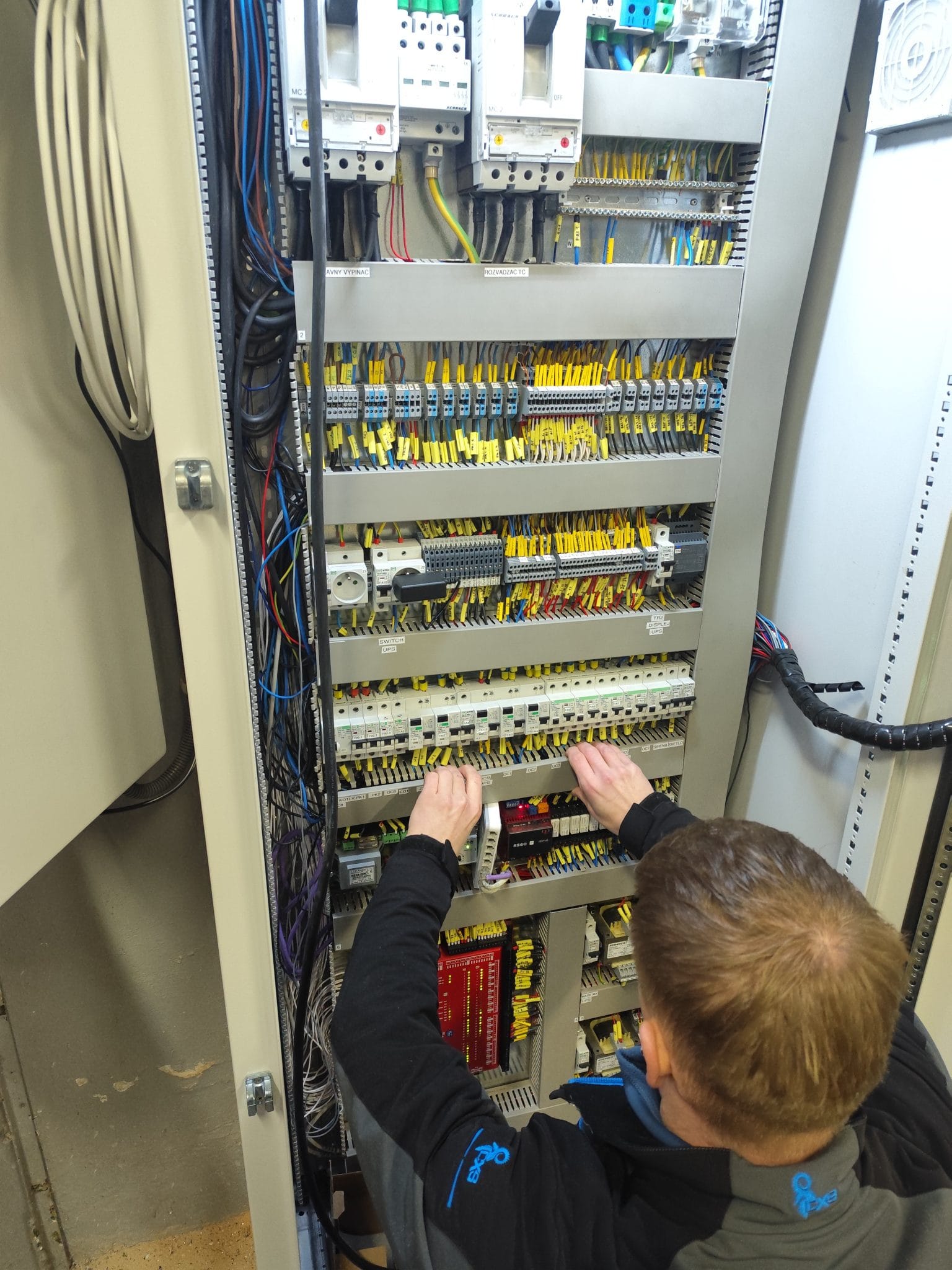
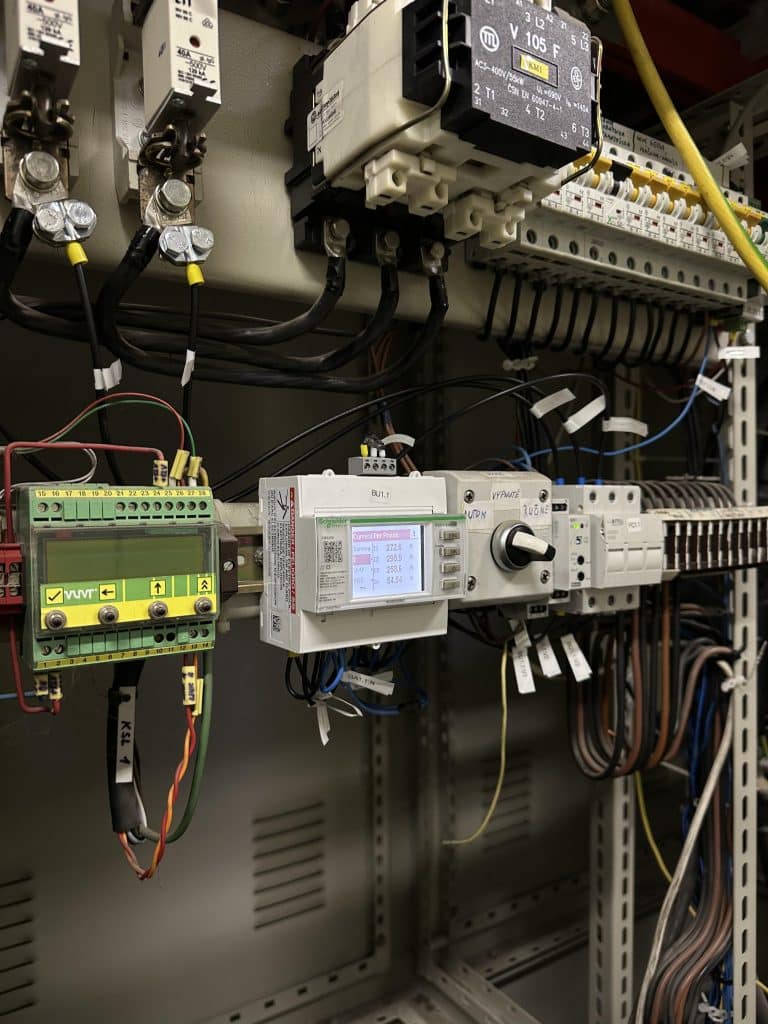
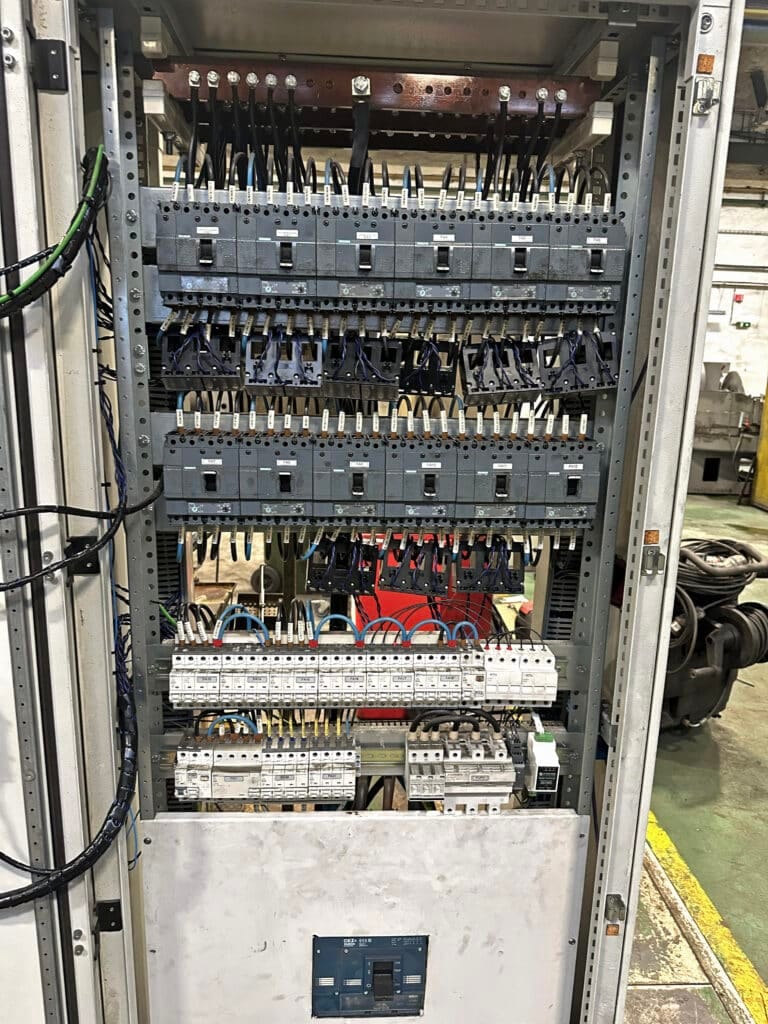
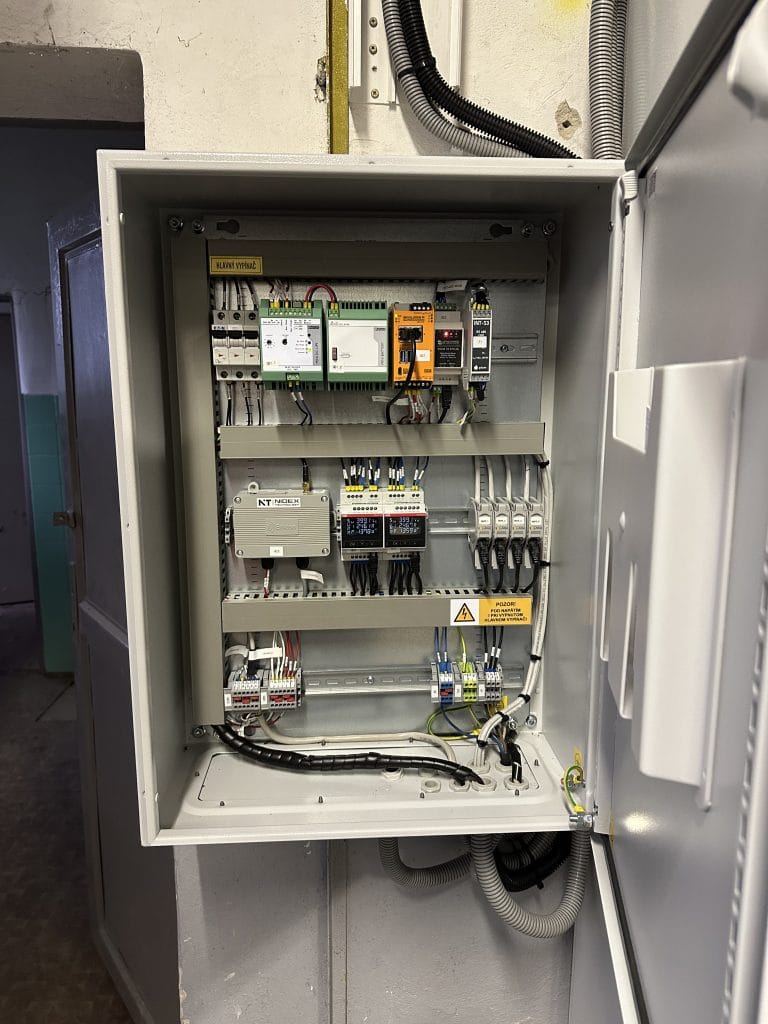
In the polyclinic building in Trencin intelligent electricity metering was implemented through 5 three-phase panel analyzers installed in one main electrical substation. The solution provides an overview of the electricity consumption on the key power supply branches of the building.
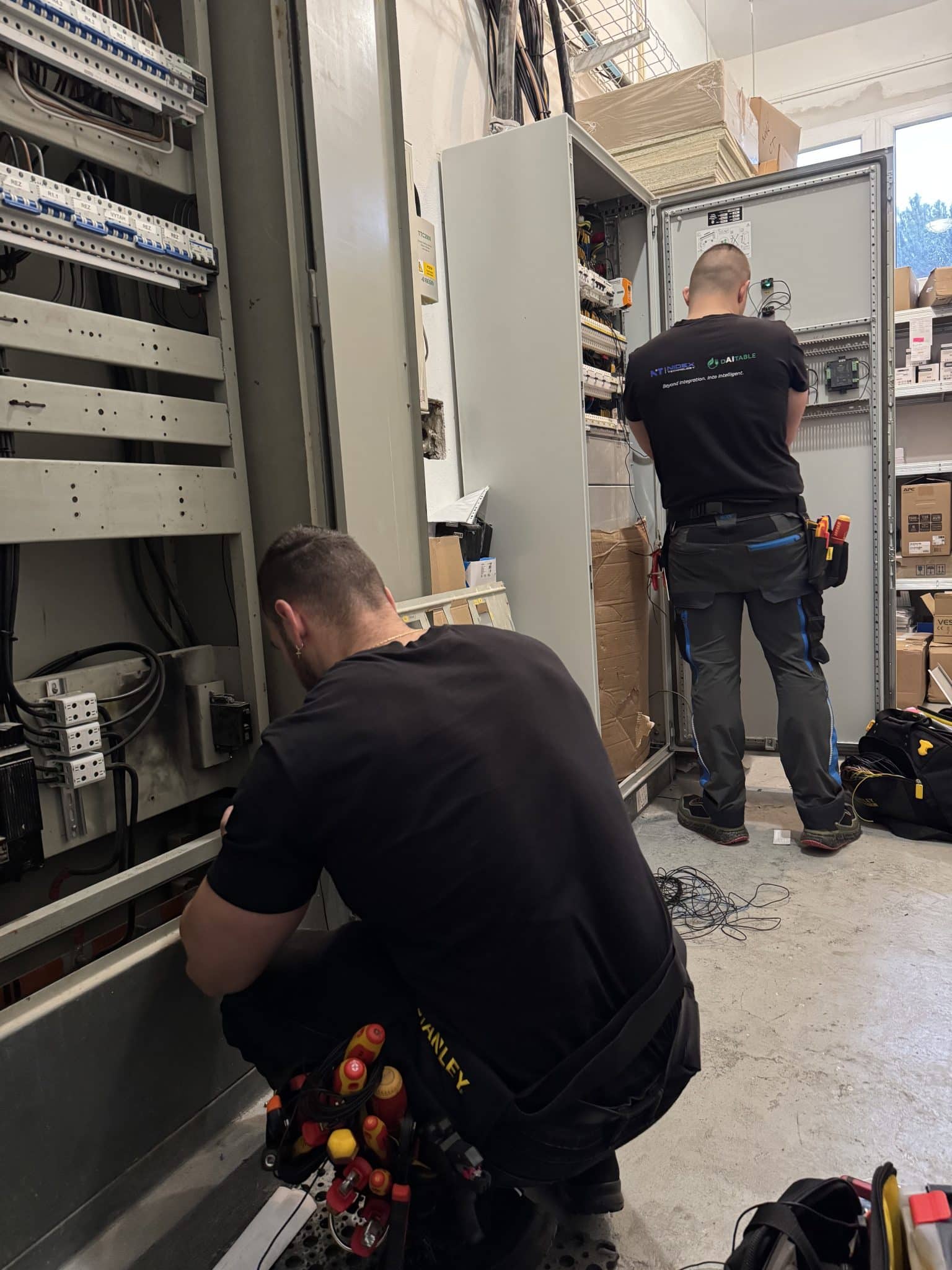
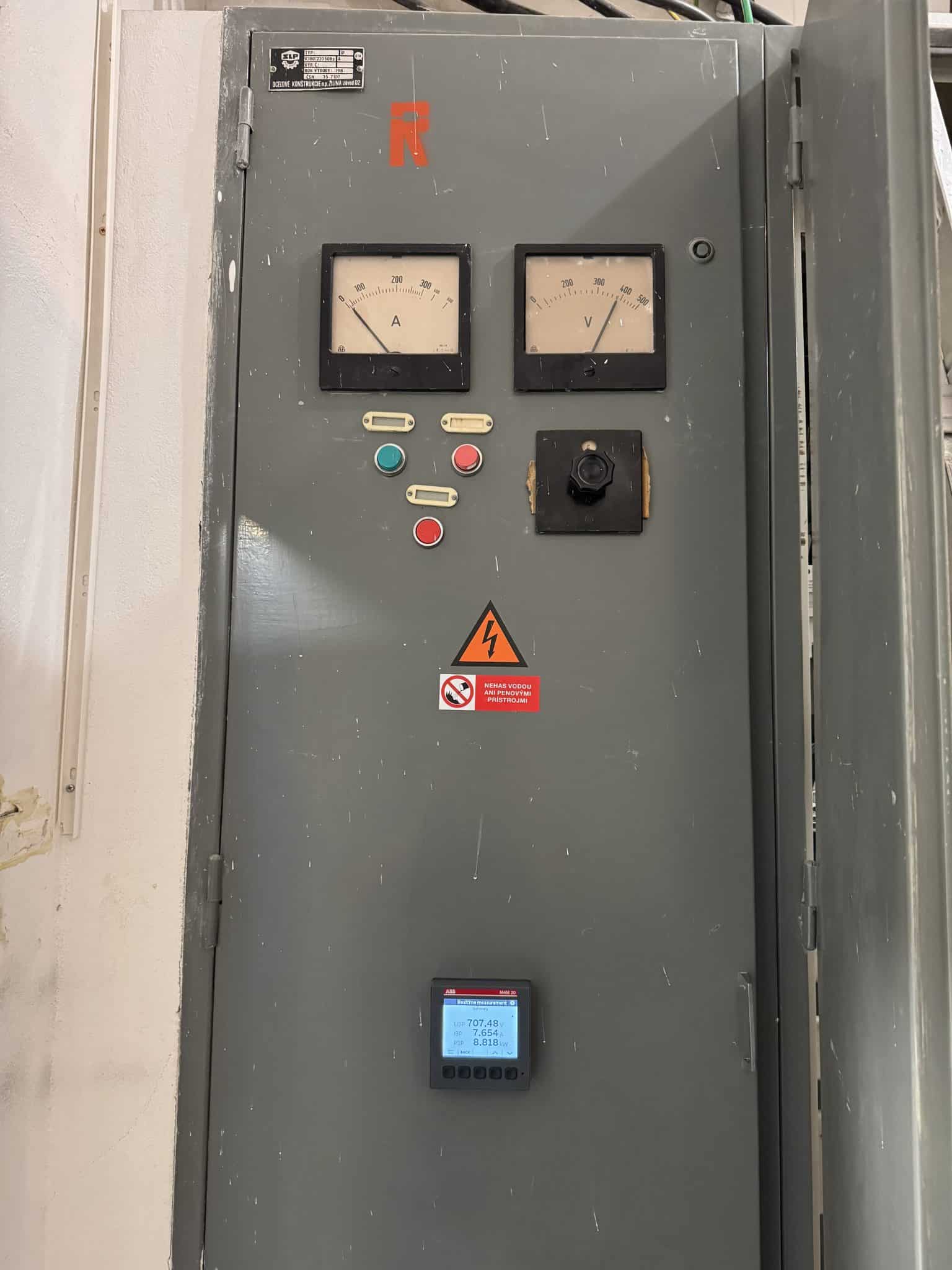
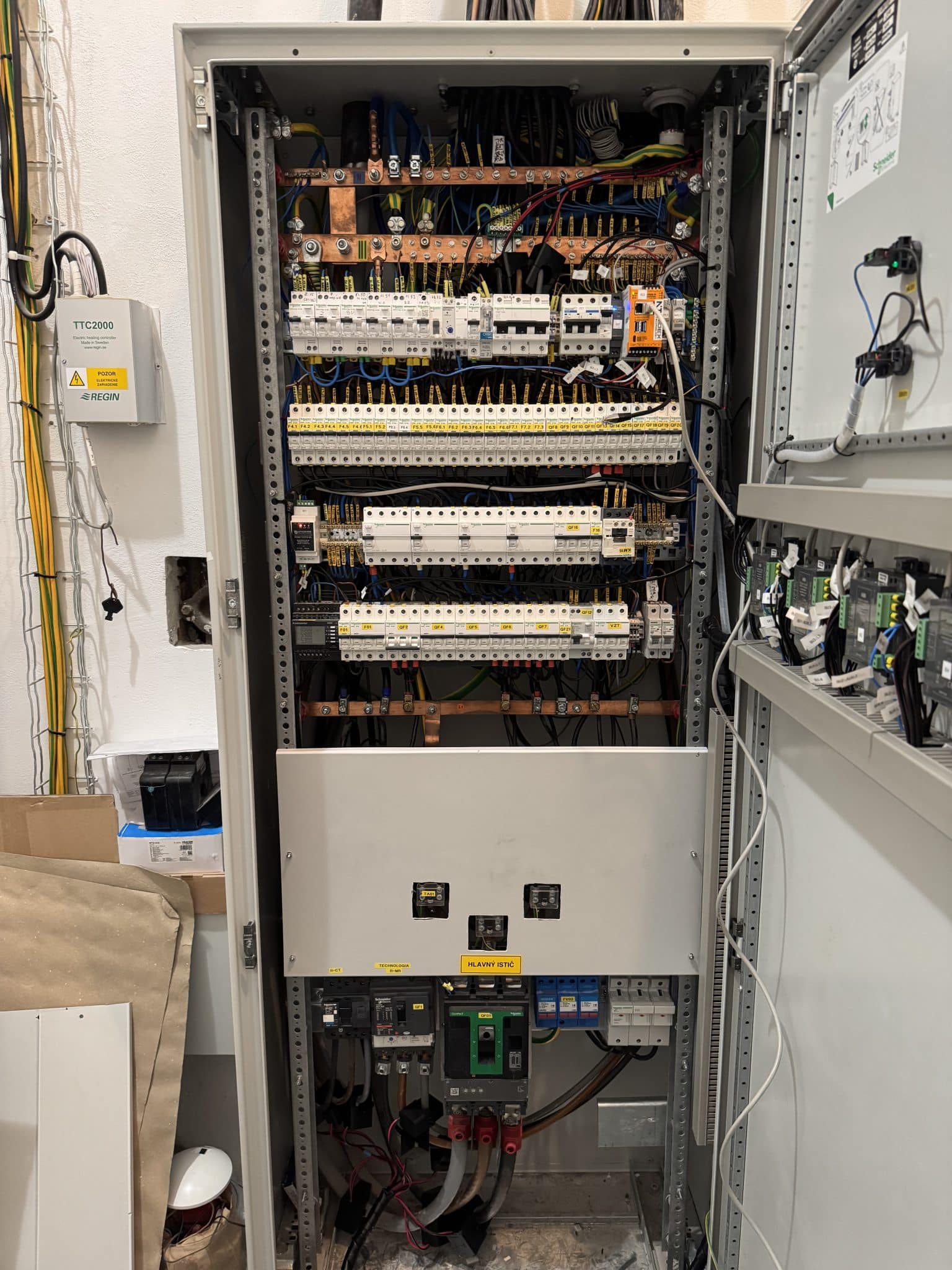
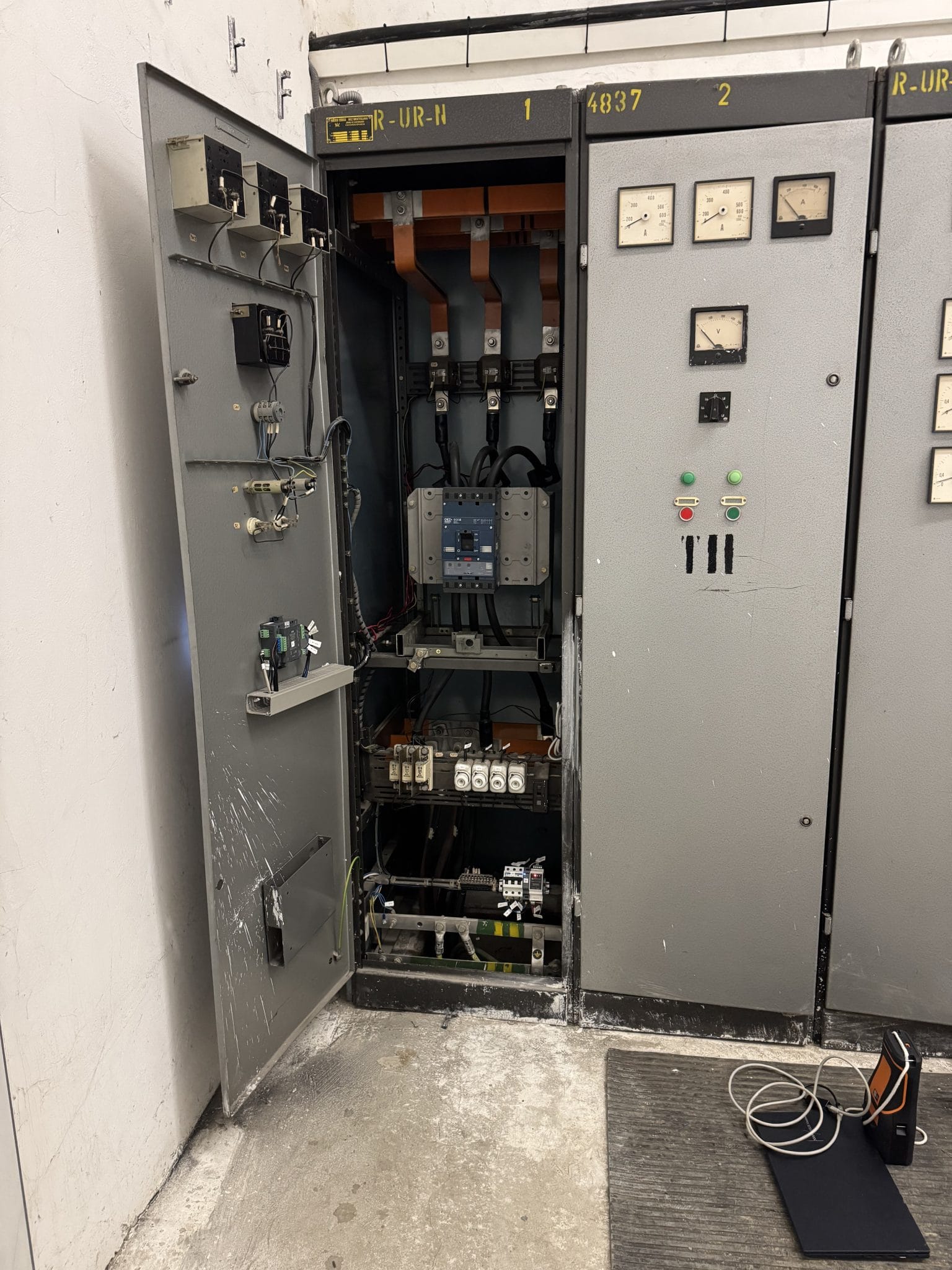
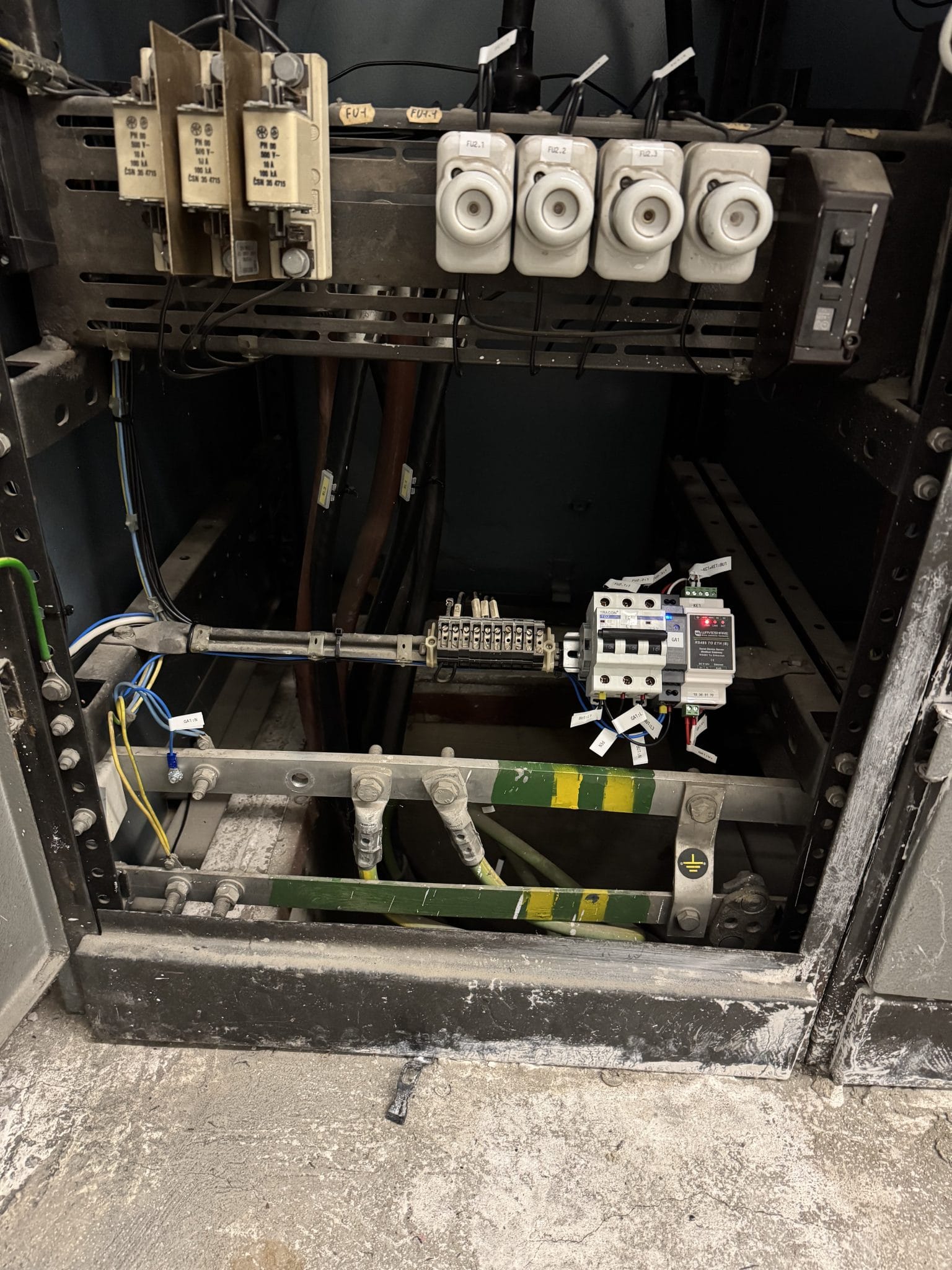
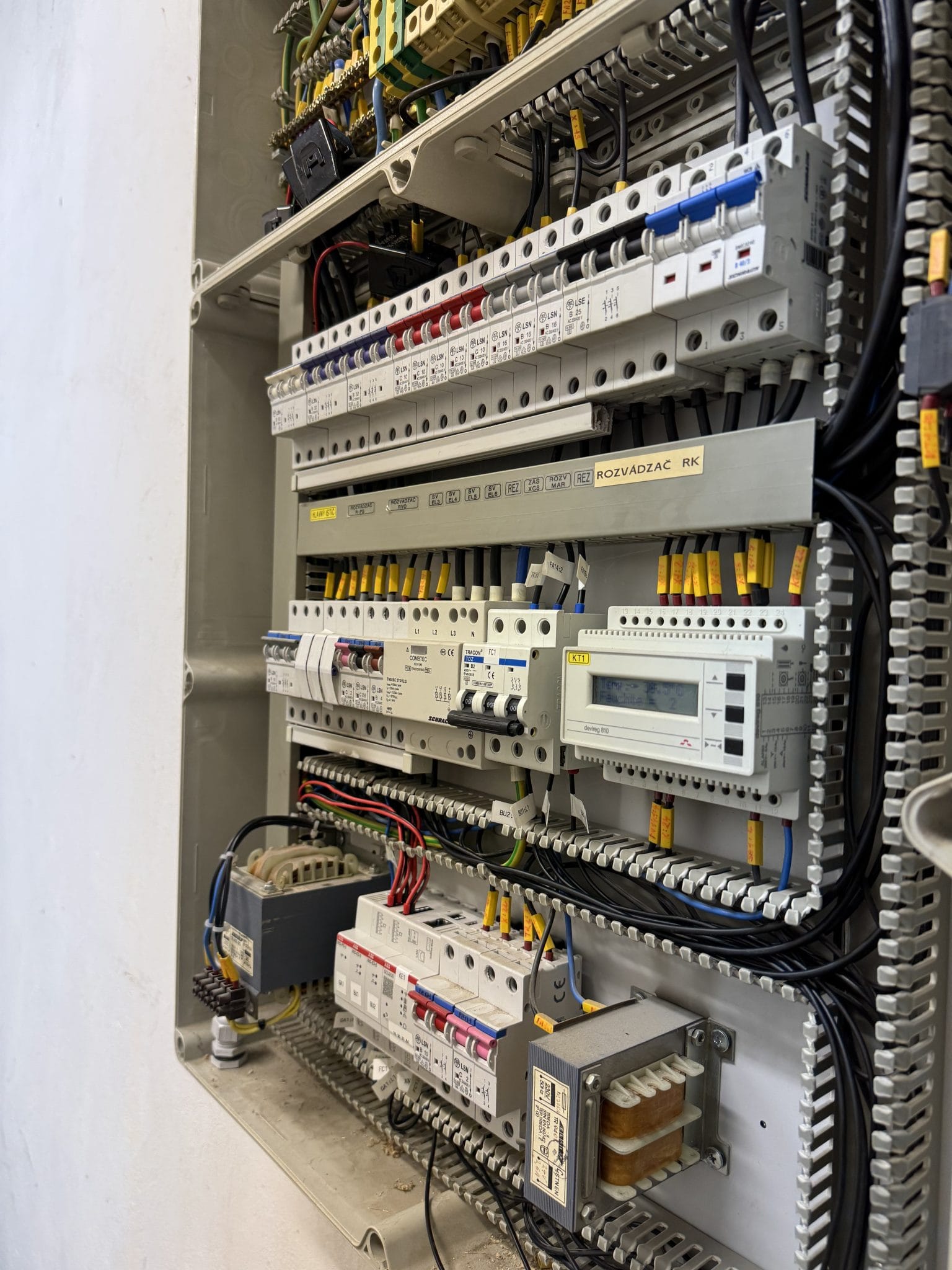
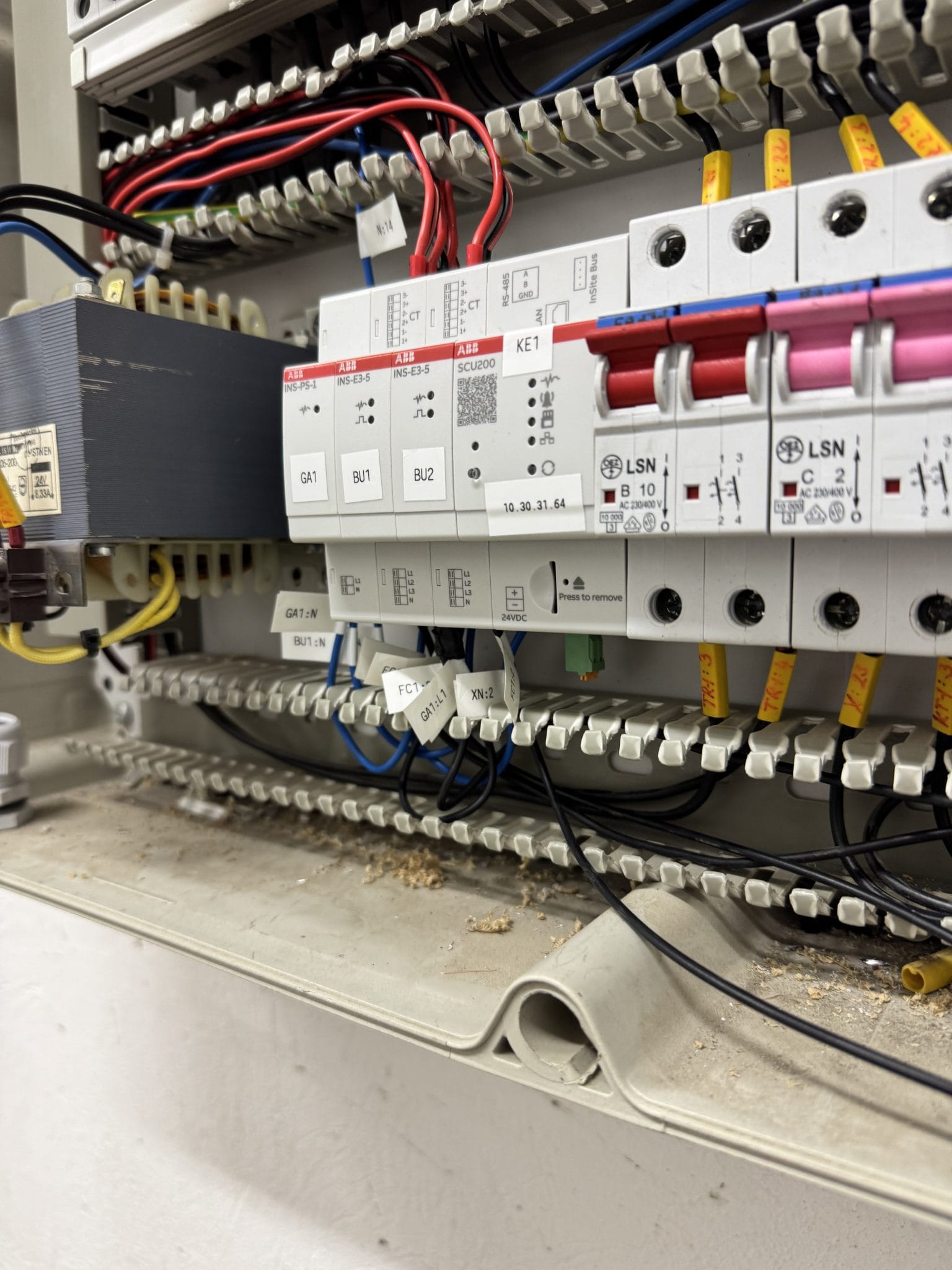
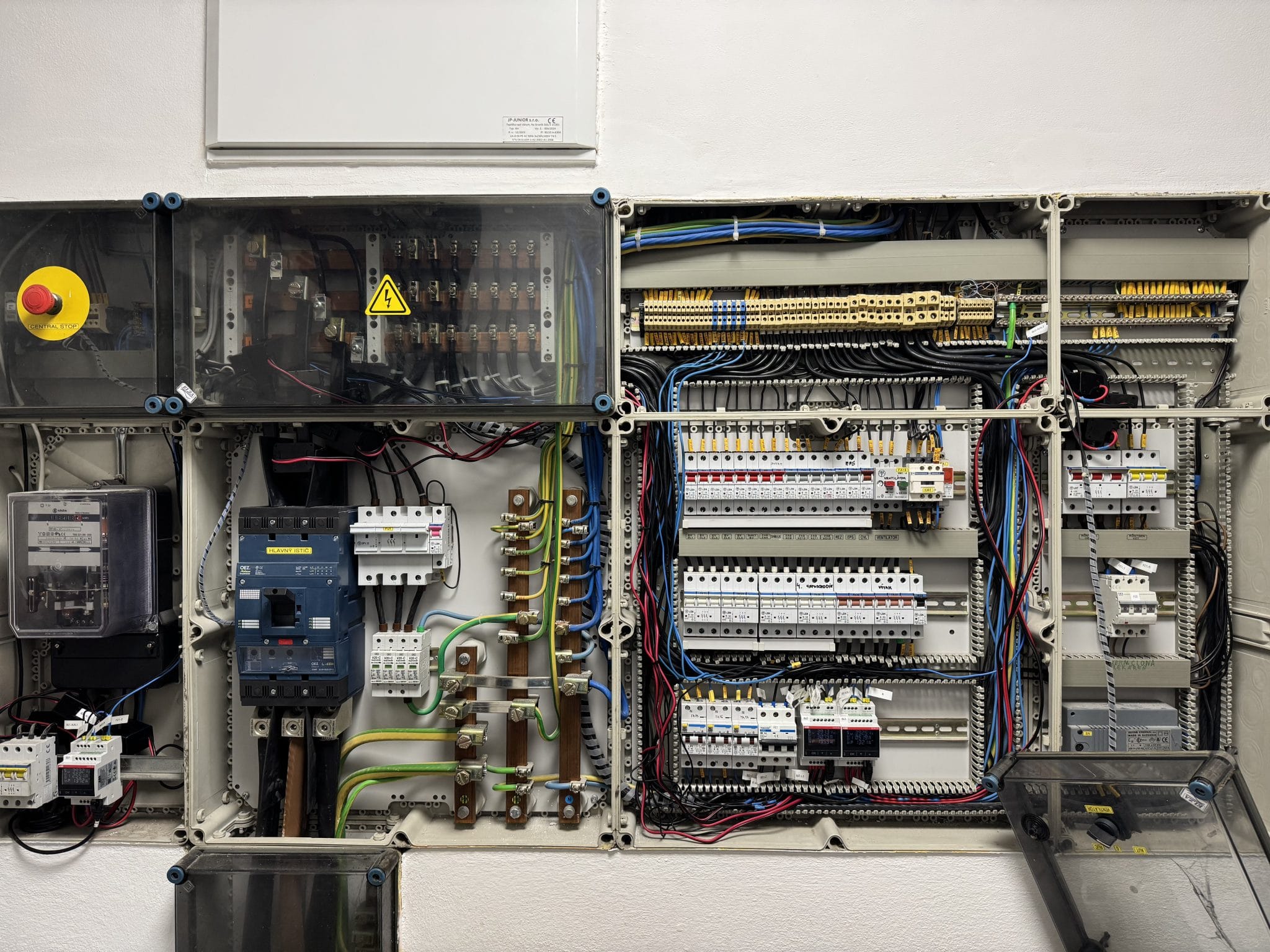
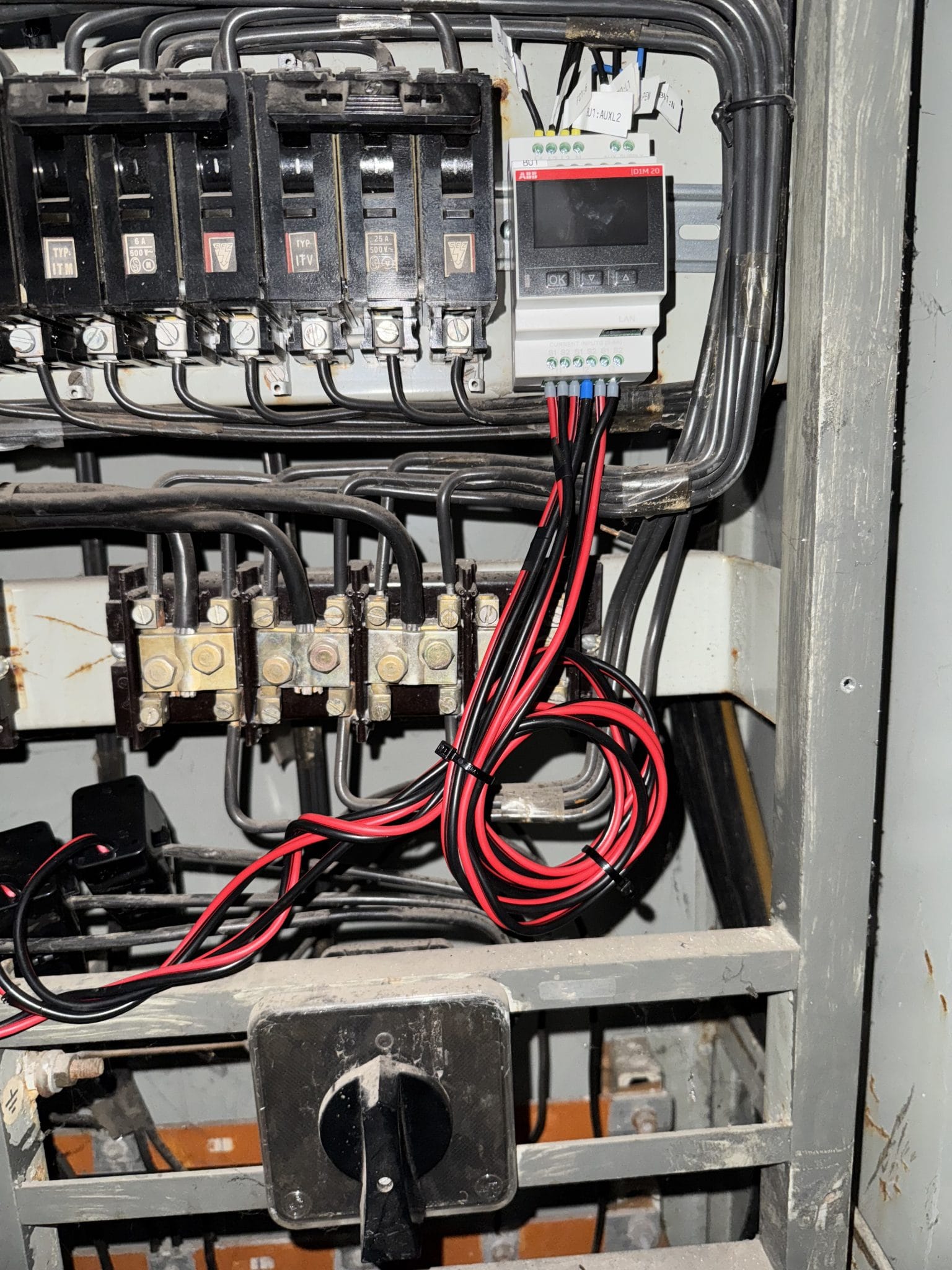
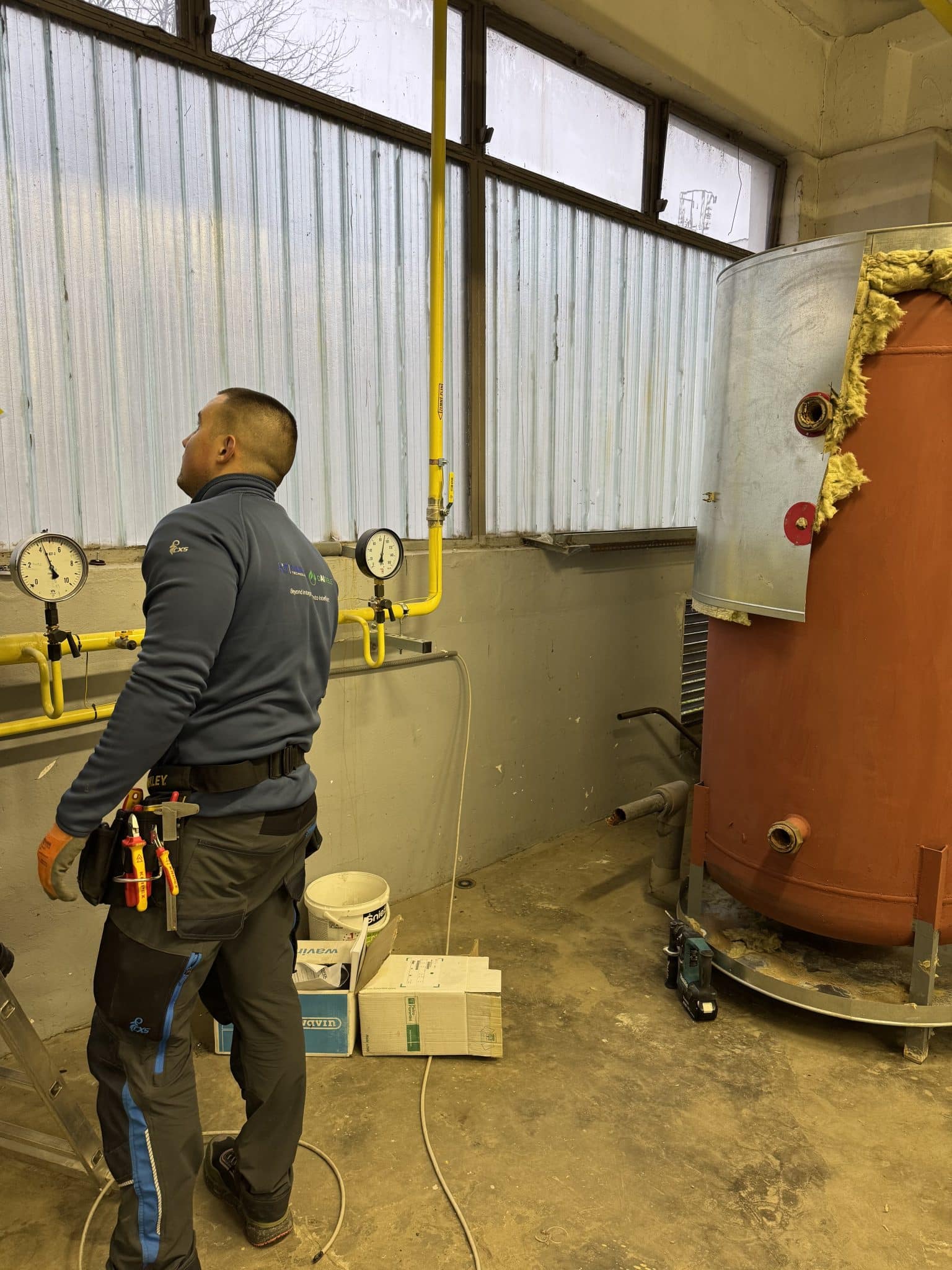
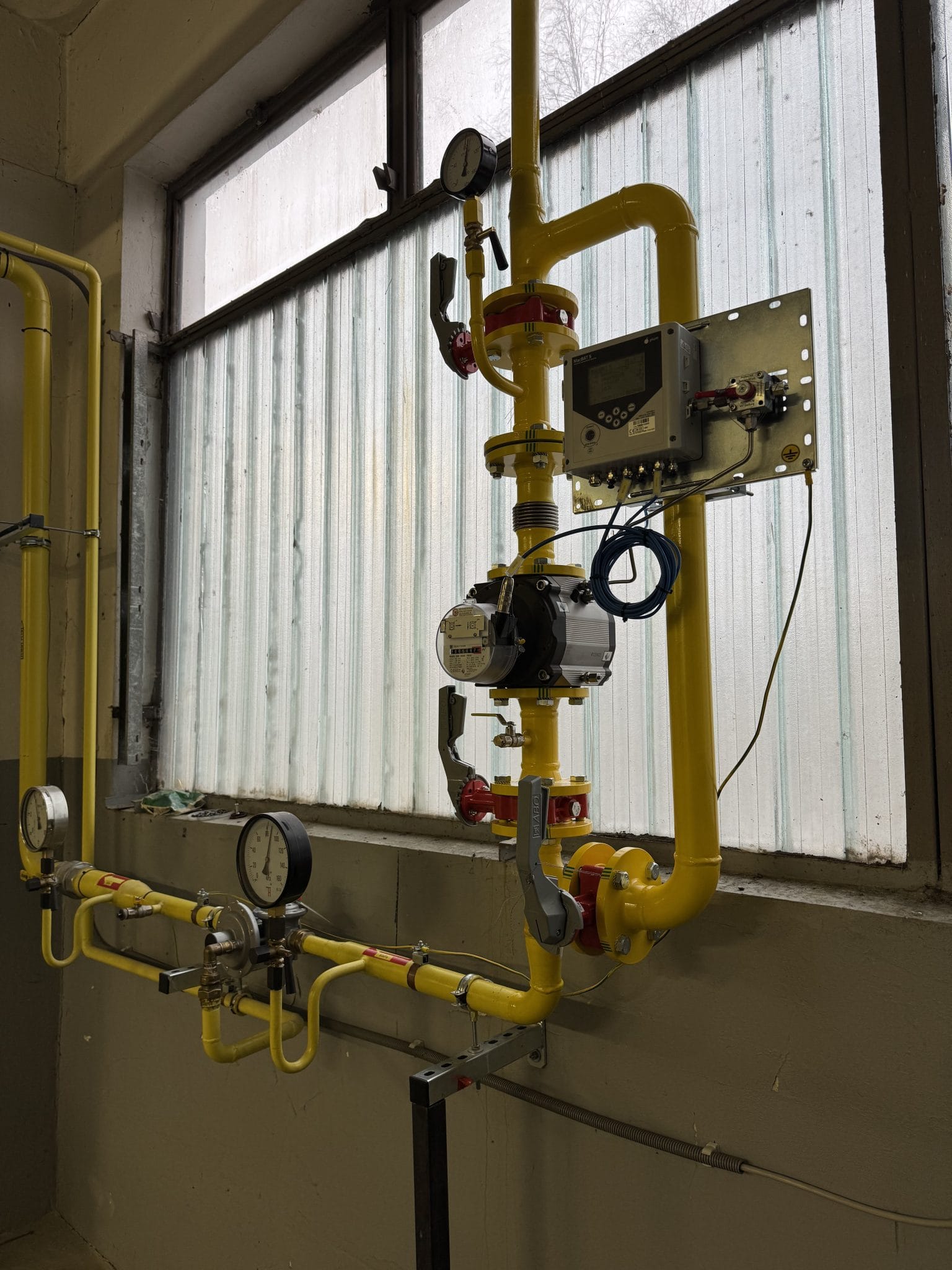
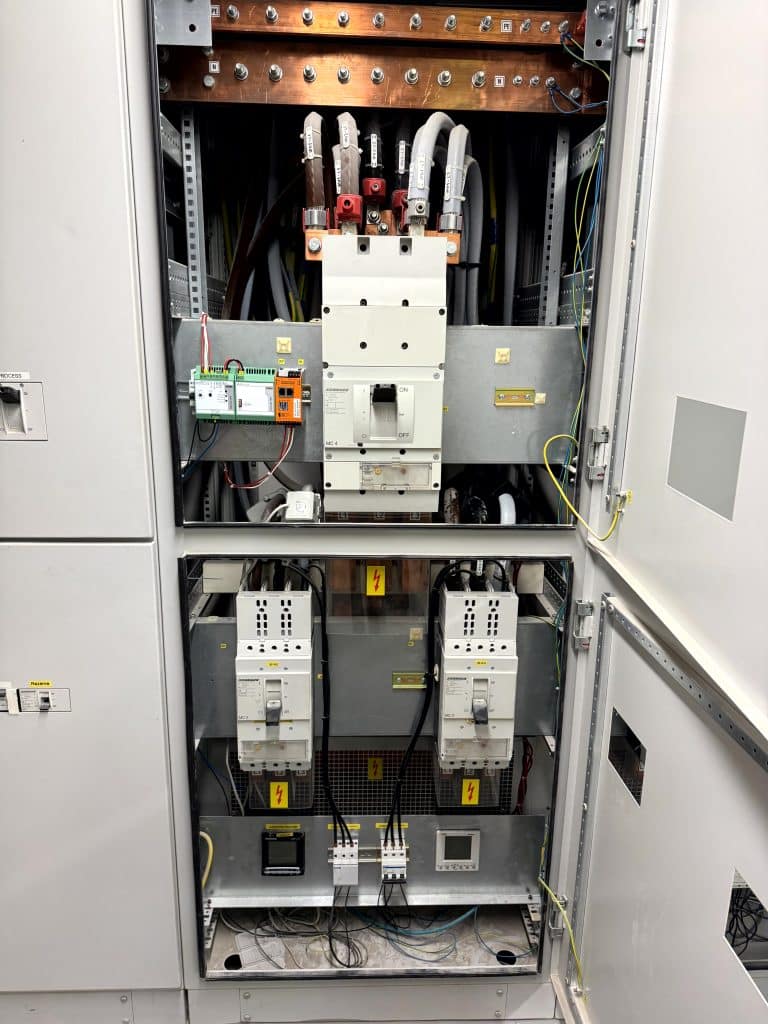
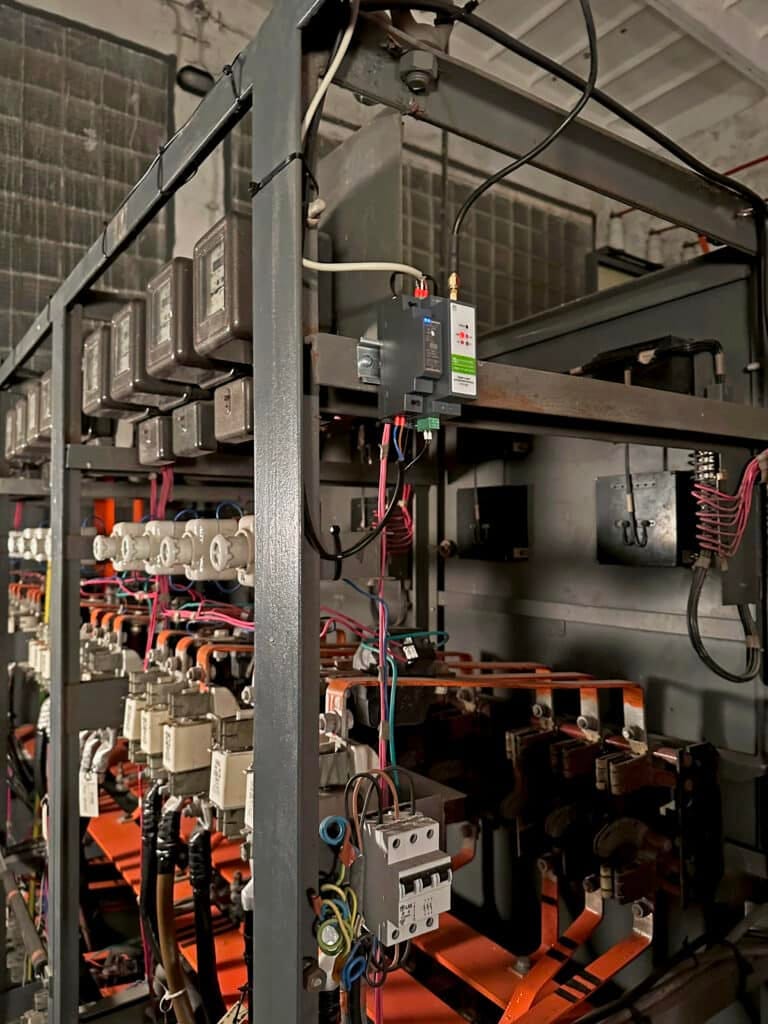
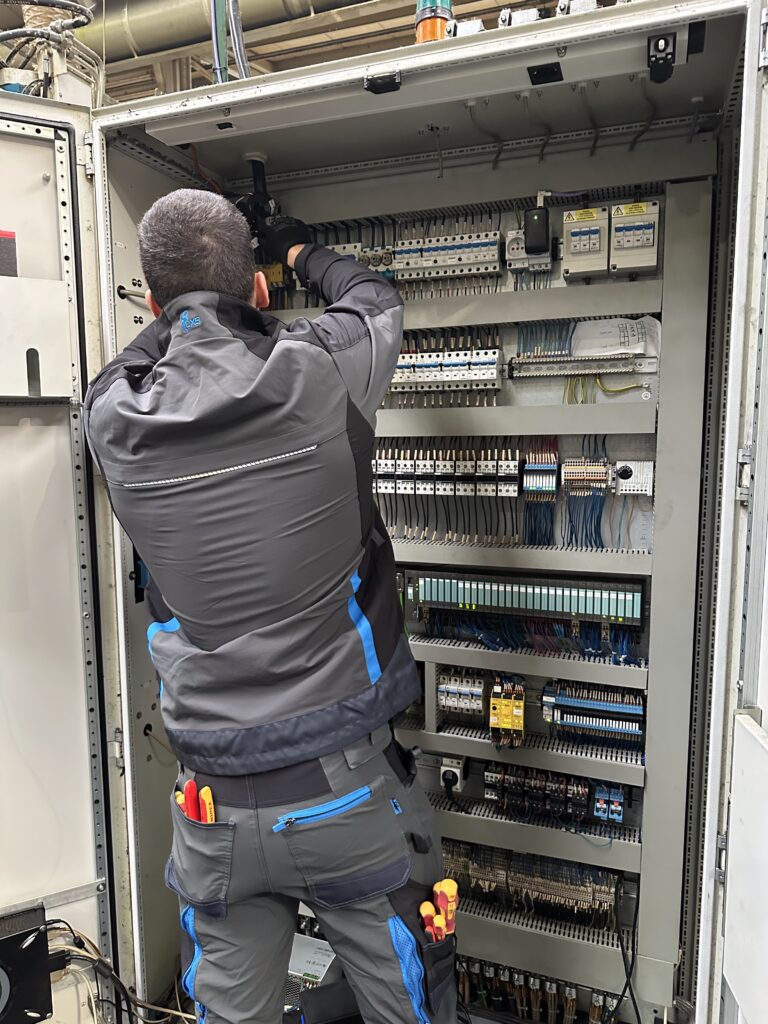
The second part of the project took place in the building of the clinic for military aviation in Sliačwhere a complex system of intelligent measurement of multiple media was deployed. The system includes the measurement of electricity through 22 analyzers, supplemented by the measurement of heat, water and gas. In terms of implementation, the most challenging part of the project was the installation and integration of the electricity metering, which required an individual technical approach and precise coordination due to the existing technical and operational constraints of the facility. A key technical problem was the condition of the branch switchgear, where the inappropriate layout of the existing installation fundamentally limited the space available for the integration of additional hardware elements. In spite of these conditions, a functional and reliable solution was successfully implemented and the entire system was put into proper operation.
Number of measured points
Number of installed devices
Implementation
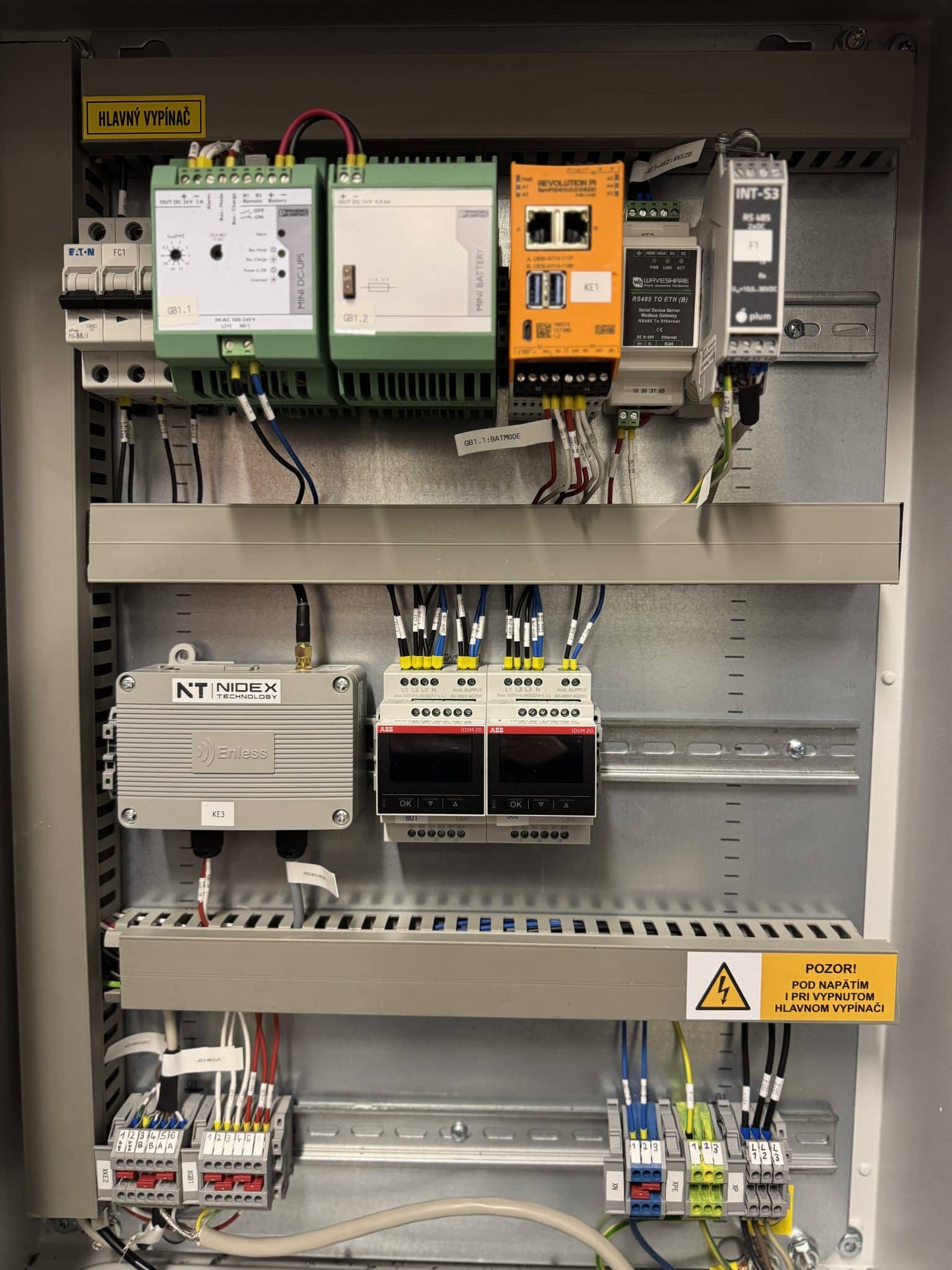
The implementation of the solution was carried out with emphasis on the existing technical infrastructure of individual objects and the requirements for stable and safe operation. In both locations, the measuring devices were connected to the Modbus RTU (RS-485) communication bus, which ensures reliable transmission of measured data from individual measuring points.
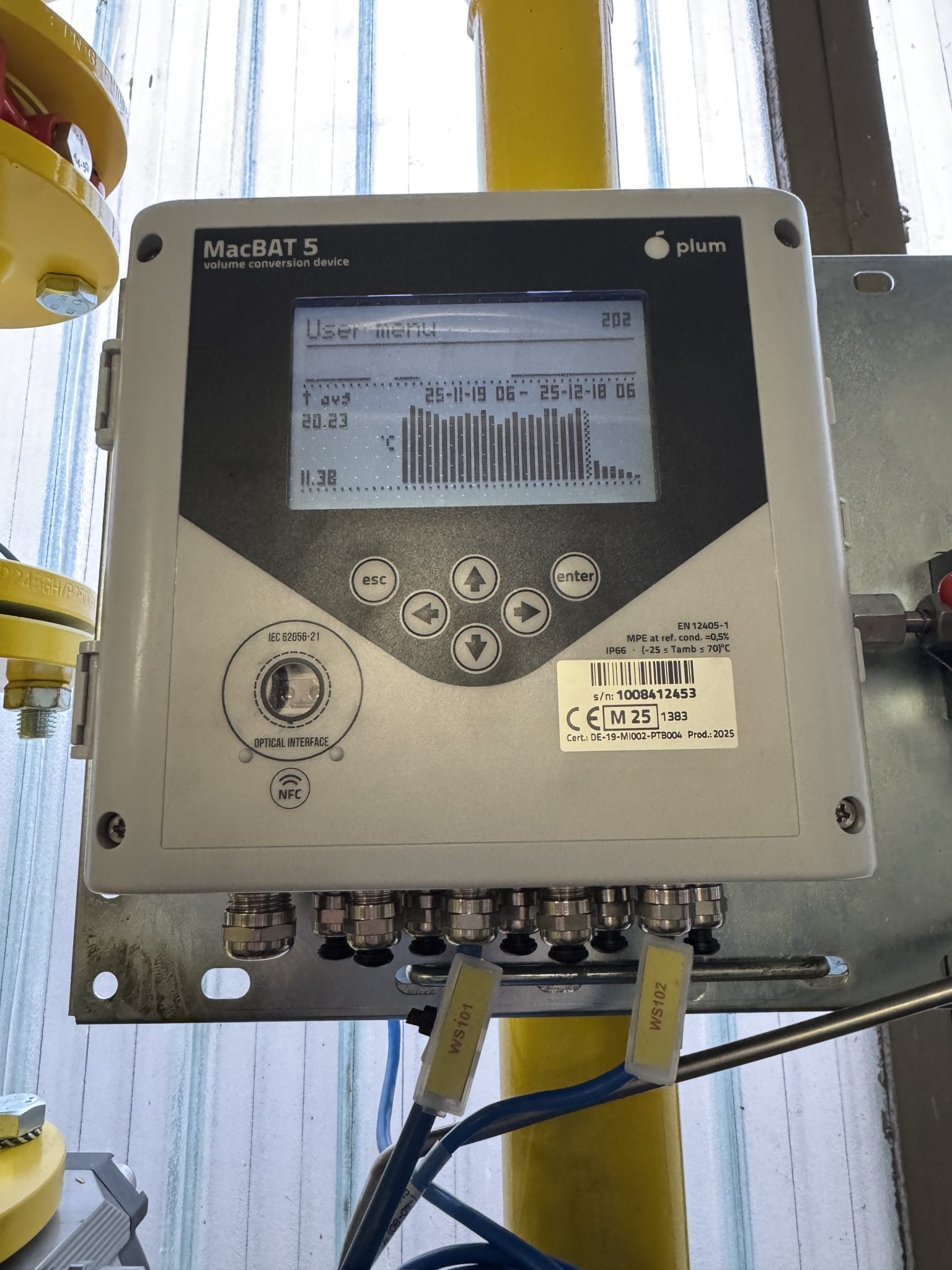
The collection, aggregation and local processing of the data was done through edge devices, which act as local data nodes and allow pre-processing of the data directly in the object without dependence on external systems. The architecture designed in this way ensures the stability of the system even with limitations in the availability of network connectivity.
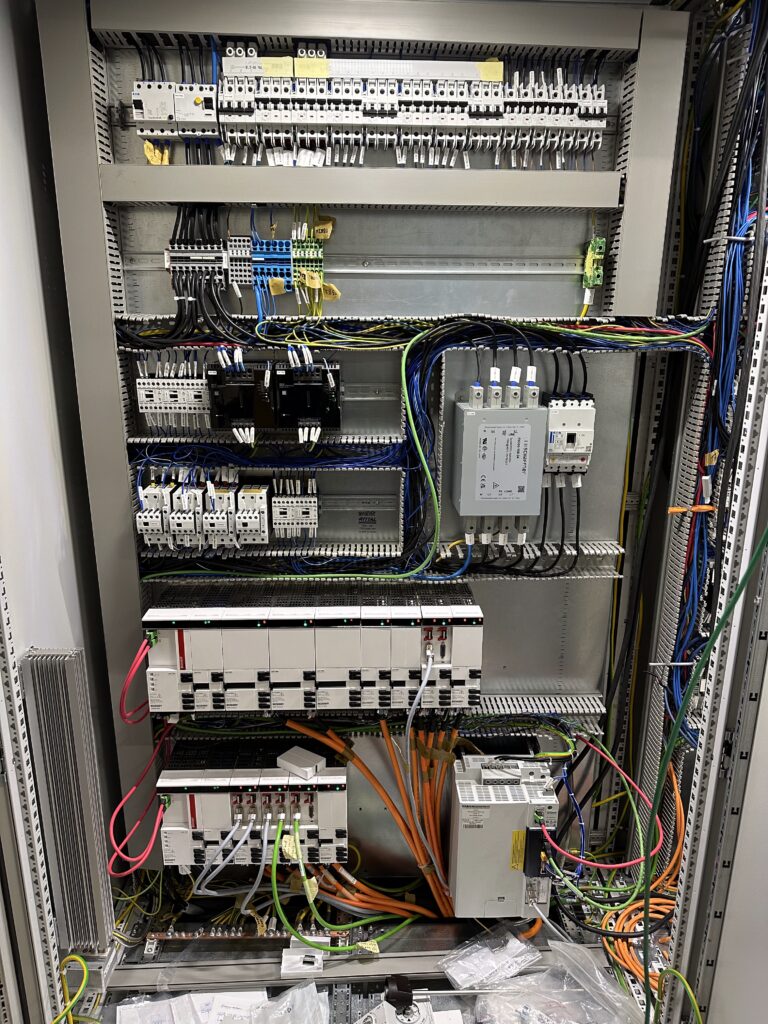
In the object in Trenčín the implementation was focused on the integration of the analyzers in the electrical substation, their configuration, addressing within the Modbus network and connection to the edge device.
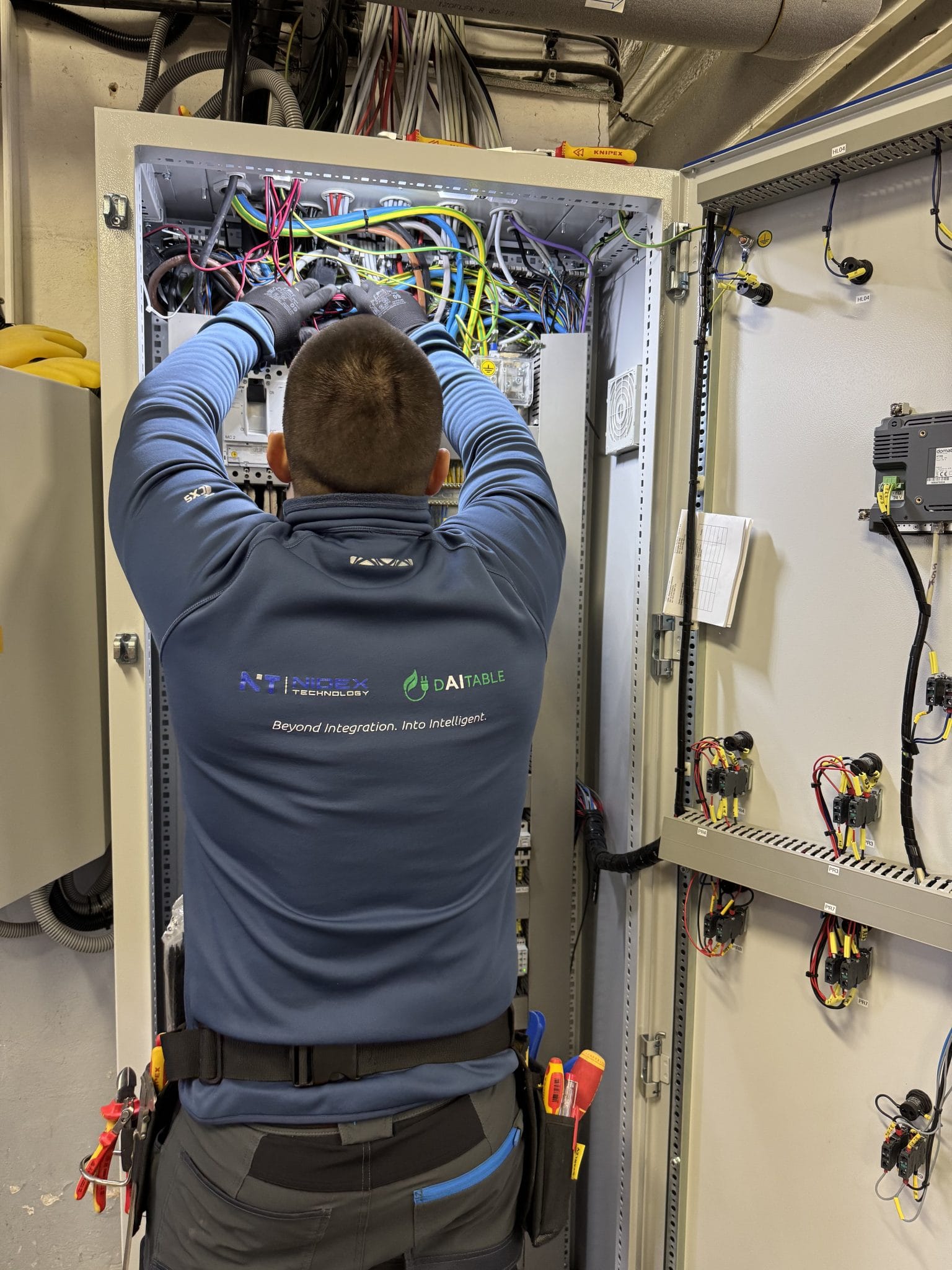
In the object in Sliač the implementation required an individual technical approach, especially in the electrical energy part. The complex distribution layout and operational constraints required a gradual implementation and careful coordination, while all measuring points were successfully integrated into a single data collection system.
The implementation was completed by verifying the functionality of the communication, the correctness of the measurements and the commissioning of the system together with the processing of the technical documentation.

Results
The third stage of the project built on the already implemented smart metering solutions within the Institute and ensured the extension of the existing unified system to other facilities, without the need to build a separate or separate infrastructure. It ensures reliable collection and processing of real-time data on electricity, heat, water and gas consumption. A centralised architecture based on Modbus RTU communication and the use of edge devices enables consistent evaluation of energy data at both sites.
The system provides the operator with a clear basis for monitoring consumption, network quality and comparing individual buildings and long-term evaluation of energy trends. At the same time, it creates the technical basis for further development of energy management, cost optimisation and integration into higher-level monitoring or control systems.
Electricity – 22 power grid analysers
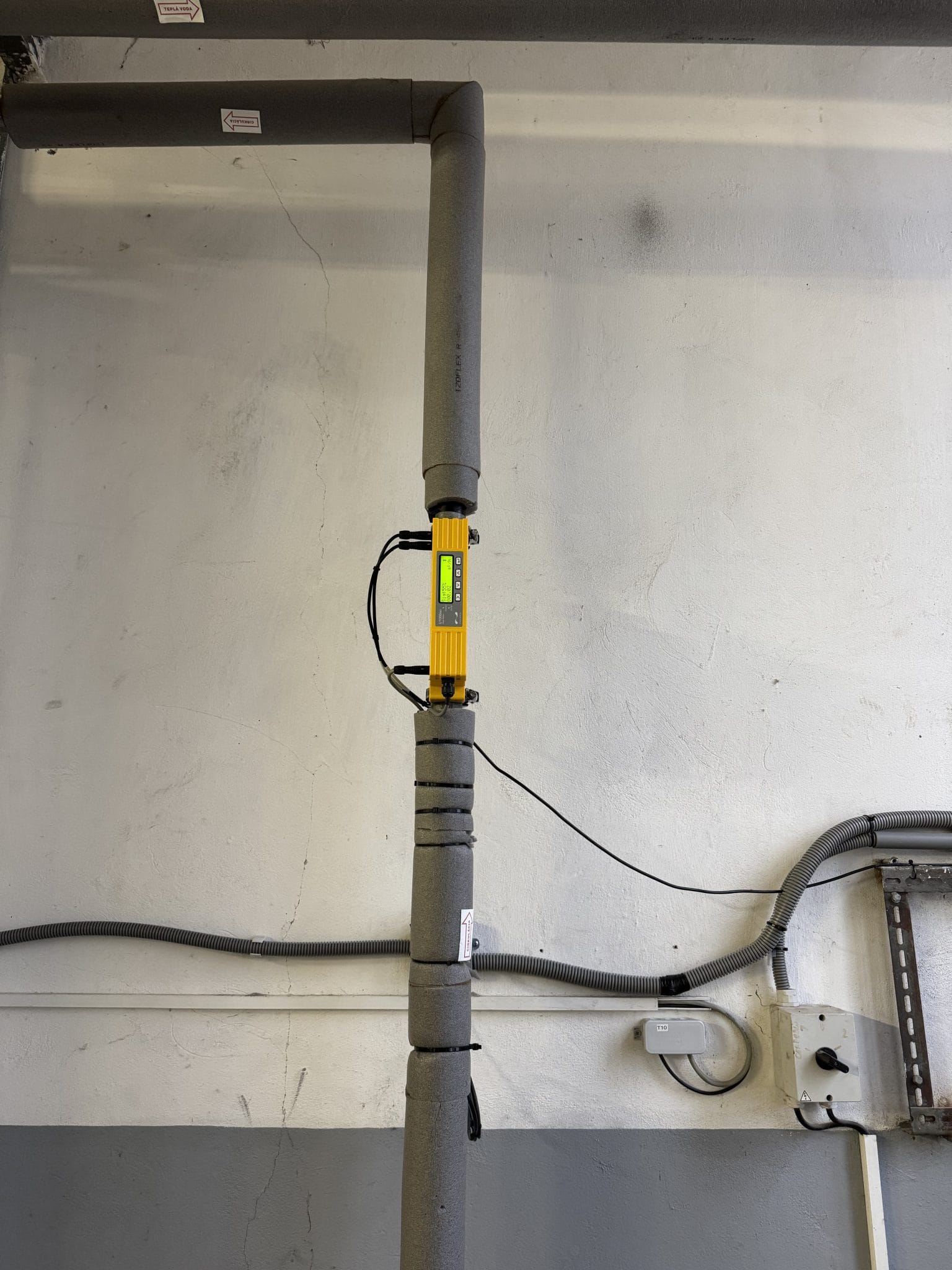
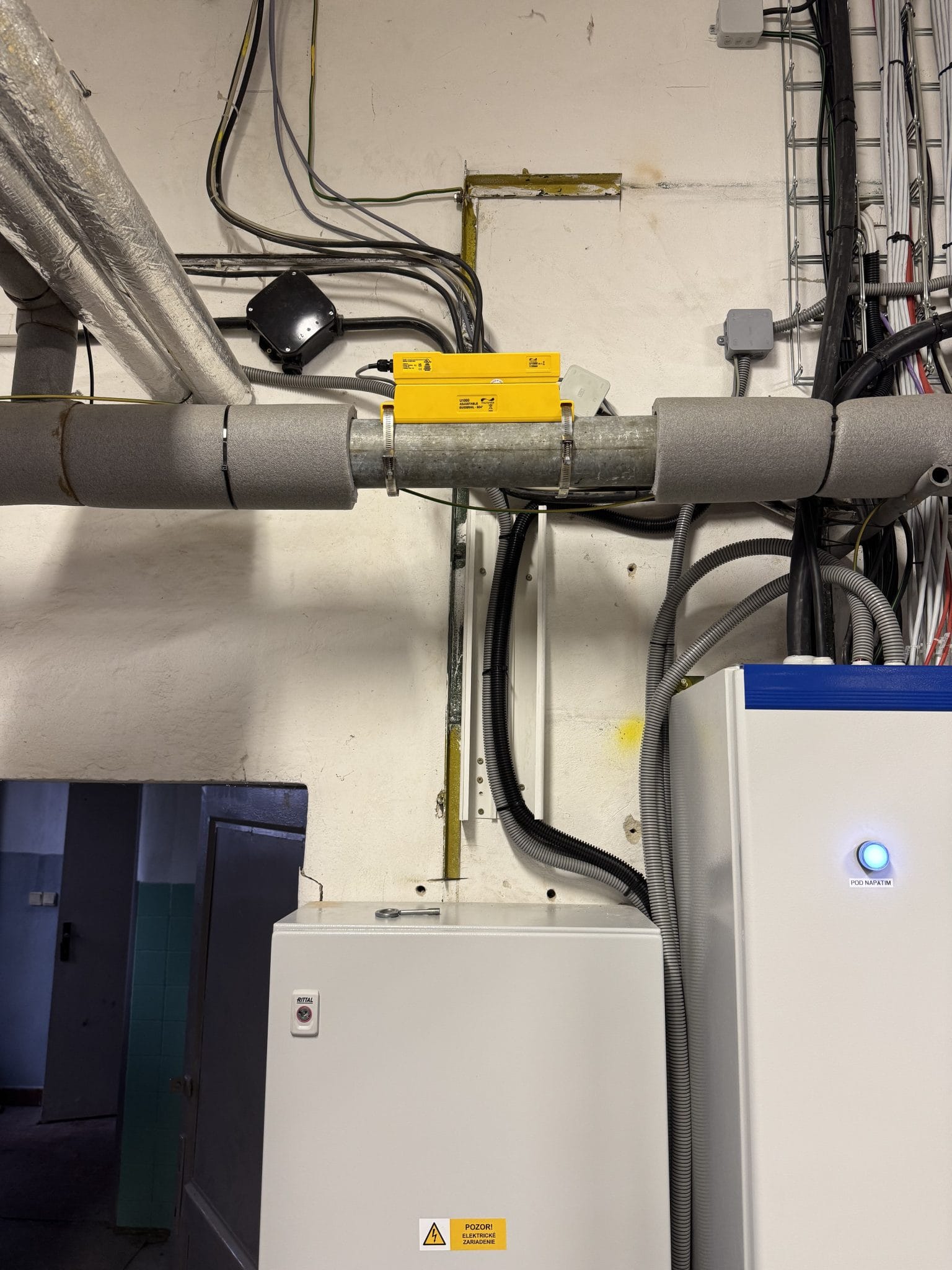
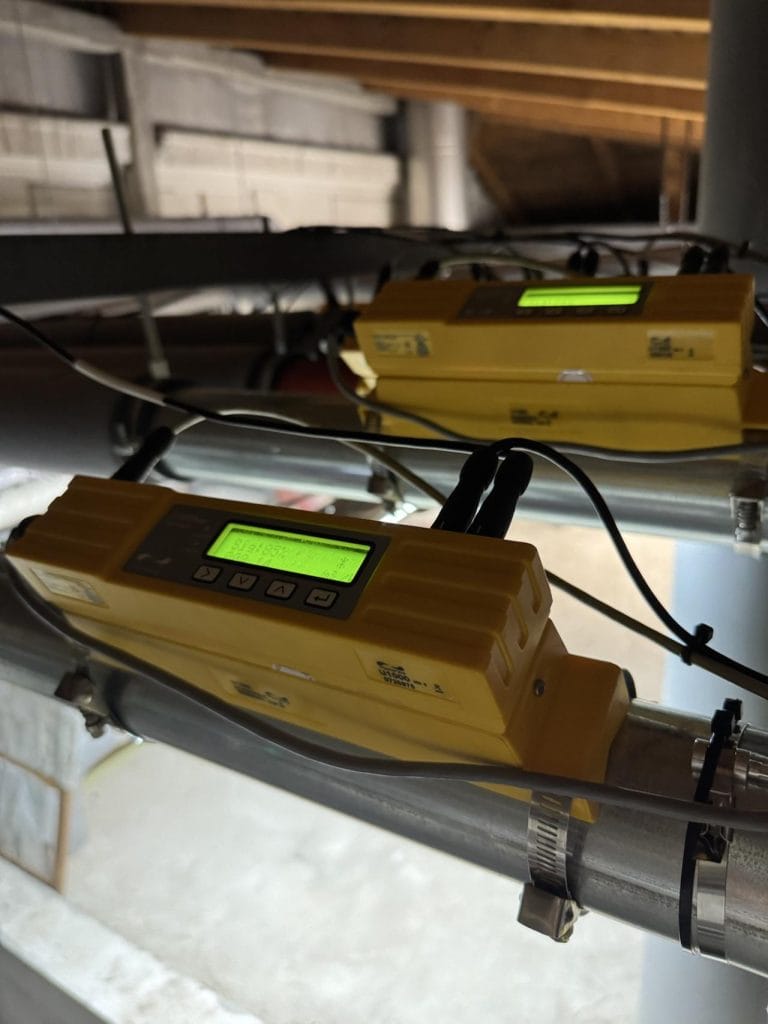
Heat – 2 calorimetric/ultrasonic gauges
Gas – 1 measuring point (main meter + pulse sensor on gas meters)
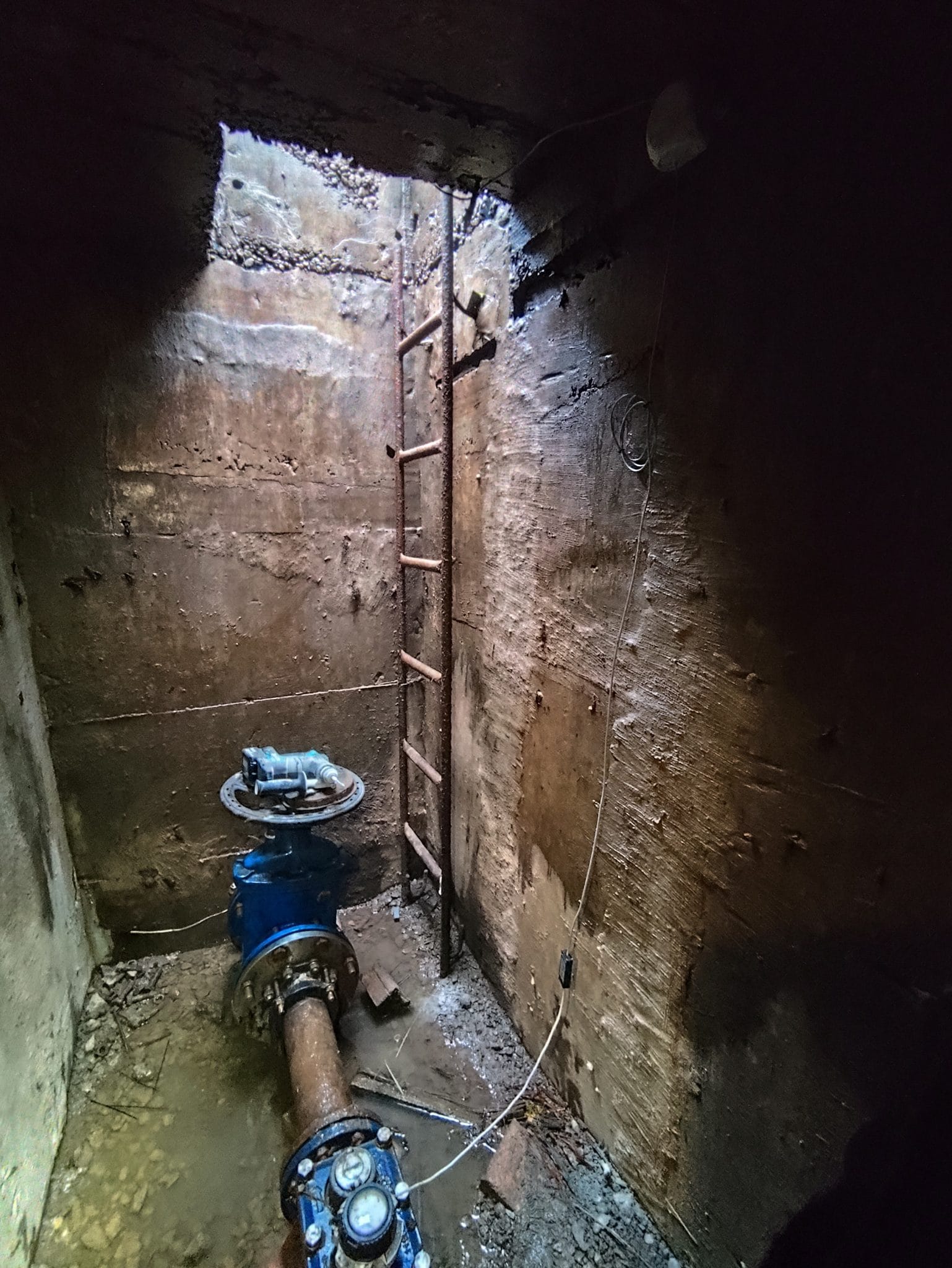
Water – 2 measuring points (ultrasonic flow meters + optocouplers on mechanical water meters)